
FCS Roof Straps: Essential Gear for Watersport Safety

Intro
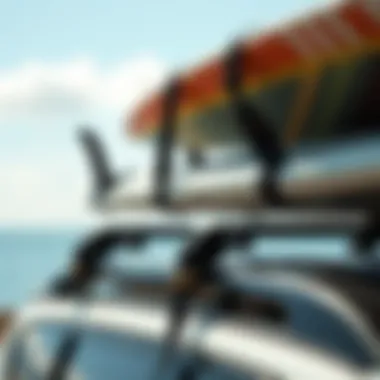
When it comes to watersports, having the right gear is half the battle won. Among the various tools and accessories, FCS roof straps stand out as vital components that ensure your equipment reaches the water intact. Resilient and easy to use, these straps are essential for any water enthusiast wanting to transport their gear with peace of mind. Whether you’re a seasoned surfer or just getting started in paddleboarding, understanding FCS roof straps can drastically improve your overall experience. This article aims to unpack not just the details of these straps, but also emphasizes their proper usage, maintenance, and even helps you make the right purchasing decision.
Gear Essentials
Top Picks for Watersports Equipment
- FCS Premium Roof Straps
These straps are made from heavy-duty materials, ensuring durability and reliability. Designed with quick-release buckles and generous length, they accommodate various board sizes effortlessly. - Thule Strap Kit
A versatile option that performs well with both surfboards and paddleboards. Known for their superior grip and ease of use, Thule straps offer peace of mind as you hit the road. - Yakima Heavy-Duty Straps
These are particularly suited for kitesurfers. Their robust design minimizes slippage and keeps your gear secure even on bumpy rides.
Each of these options is well-regarded in the watersports community for their ability to provide effective support while transporting various types of equipment. Selecting the right strap can make a significant difference in your travel experience.
Maintenance and Care Tips for Gear
To get the most out of FCS roof straps, proper maintenance is crucial:
- Regularly Inspect for Damage
Before each use, check for fraying or signs of wear. A small tear could spiral into a larger risk on the road. - Keep Straps Clean
After each trip, wash the straps with mild soap and fresh water. Sand and salt can degrade the materials over time. - Store Properly
When not in use, keep the straps in a dry place away from direct sunlight, which can weaken the fabric.
"Proper care of your FCS roof straps ensures longevity and a safer journey for your gear."
Maintaining your straps not only maximizes their lifespan but also enhances safety during transport.
Epilogue
In a nutshell, understanding and utilizing FCS roof straps properly is not just about convenience; it’s about ensuring the safety and integrity of your watersport gear. This guide has dropped insights into gear essentials and care tips so that whether you're hitting the waves or enjoying a serene paddle at dusk, your journey can be as thrilling as your destination. As you plan your next water adventure, keep these tips in mind to secure your equipment effectively.
Foreword to FCS Roof Straps
The world of watersports embraces both adventure and challenge. When it comes to transporting essential gear, one cannot underestimate the importance of reliable equipment. FCS roof straps stand at the forefront of this necessity, serving as vital components for enthusiasts looking to secure their surfboards, paddleboards, or kitesurfing gear safely atop their vehicles. Understanding these straps is not merely a matter of convenience; it’s about ensuring safety and peace of mind during travels.
When planning a trip to the beach or the lake, having the right gear is crucial. FCS roof straps, designed specifically for securing your watersport equipment, offer several advantages. They are strong, versatile, and designed to fit various vehicle types, whether you drive a compact hatchback or a hefty SUV. This adaptability makes them a favored choice among both novice and seasoned athletes.
Key Benefits of FCS Roof Straps
- Safety: The biggest advantage is undoubtedly the safety they provide by securing your gear tightly. Users can rest assured knowing that their equipment is less likely to shift or fall off while driving.
- Versatility: These straps excel across a variety of watersport disciplines. While surfing is often the first association, paddleboarders and kitesurfers find them equally beneficial.
- User-Friendly Features: The adjustability of FCS roof straps makes them accessible for everyone. Even if you are a beginner, learning to install them isn't a daunting task.
With the rising popularity of watersports, understanding how to properly use and maintain FCS roof straps can enhance your overall experience. Furthermore, as gear investments mount, ensuring its security while in transit is paramount. Enjoying the waves becomes all the more rewarding when you know your equipment is safely onboard.
Delving into Definitions and History
Next, we will define what exactly FCS roof straps are and explore their history. The journey of these straps offers a glimpse into their evolution and the innovations that have shaped them, resulting in the present-day designs that countless watersport enthusiasts trust.
Design Features of FCS Roof Straps
The design features of FCS roof straps play a crucial role in their effectiveness within the world of watersports. These elements are not just for show; they reflect practical attributes designed to enhance usability and safety. For surfers, paddleboarders, and kitesurfers, understanding these details can make a significant difference in their experiences on the water, both in the transportation of gear and during usage.
Material Composition
Material selection is the bedrock of durability in FCS roof straps. High-quality straps are generally made from sturdy, weather-resistant fibers, such as nylon or polyester. These materials are not only tough but also lightweight, allowing for easy handling when strapping gear to a vehicle. Take, for instance, polyester; it provides excellent resistance to UV rays, preventing degradation over time due to sun exposure. This is particularly vital for watersports enthusiasts who may leave their gear on top of their cars for extended periods.
Moreover, the stitching used in these straps often employs reinforced techniques to ensure that they won’t give out at the seams during transport. In essence, the craftsmanship behind the material composition of FCS roof straps doesn’t just aim for style but prioritizes practicality and longevity.
Adjustability and Length
When it comes to FCS roof straps, adjustability is a game changer. The versatility in length ensures that users can securely fasten a variety of gear, from surfboards to bulky kitesurfing equipment, without compromising safety. FCS straps come with features like sliding adjustment buckles that allow for quick modifications, accommodating different widths of gear. This means, whether you're loading up a longboard or a shorter paddleboard, you can tailor the fit to prevent movement during transport.
Additionally, while some straps might come in fixed lengths, adjustable options can really shine by eliminating the worry of excess strap hanging loose. This not only leads to a cleaner look but also cuts down on wind resistance while driving. Choosing straps that are adaptable and the right length is essential to secure your gear effectively, ensuring that everything stays right where it should be.


Buckle Mechanism
The buckle mechanism on FCS roof straps is worth mentioning due to its critical role in security and ease of use. Most FCS roof straps feature user-friendly buckles, designed for quick attachment and detachment. Simple push-button release mechanisms are common, allowing for hassle-free operation even when your hands are wet or muddy.
What’s also noteworthy is that many of these buckles are engineered to resist rust and deterioration, which is indispensable considering the elements that water enthusiasts often face. Imagine a scenario where you need to unload your gear quickly; a reliable buckle means you won’t be fumbling around, wasting valuable time.
Always check the buckles before use; they are your first line of defense against gear loss!
In summary, the design features of FCS roof straps are laden with intentional detail aimed at enhancing their functionality and durability. Material composition, adjustability, and buckle mechanisms converge to create a dependable solution for transporting watersport equipment. Having the right features can significantly bolster your confidence, knowing you have secured your prized gear effectively.
Applications of FCS Roof Straps in Watersports
FCS roof straps play a crucial role in ensuring that gear reaches the water safely and intact. For those who live for the waves, the way gear is transported can make or break a trip. Here’s a look into the various applications these straps have across different water sports, tailored to support enthusiasts at every level.
Transporting Surfboards
When it comes to transporting surfboards, security and ease are paramount. FCS roof straps provide a reliable method to affix surfboards to vehicle roofs, allowing for worry-free travel. The design of these straps ensures that even during bumpy rides, the boards stay put, minimizing any risk of damage or loss.
- Key Benefits:
- Preventing board movement during transport helps to avoid potential dings and scratches.
- Quick-release buckles make loading and unloading a breeze, especially after a long day.
- Compatibility with various board sizes ensures you can transport multiple boards in one go.
Moreover, using FCS straps means you can fit your boards in tighter spaces, making it a simpler task to park your vehicle in crowded beach areas.
Securing Paddleboards
Securing paddleboards involves an entirely different consideration—primarily, their size and stability during transport. FCS roof straps are robust enough to accommodate paddleboards, which are often longer and wider than surfboards, and they're designed to handle the additional weight.
- Considerations:
- Ensure the straps are long enough to loop through and around the paddleboard securely.
- Adjustability is crucial, as it allows you to snugly fit the strap around the board without applying excessive pressure that can cause warping.
- Using foam pads under the straps can provide extra grip as well as protection for the board’s surface.
Having properly secured paddleboards means not having to worry about arriving at your destination with a damaged board, enabling a seamless transition from car to water.
Kitesurfing Gear Transportation
Kitesurfing gear can be bulky and unwieldy, thus presenting unique challenges when it comes to transportation. FCS roof straps shine in this context as they are well-suited for managing the multiple components involved, such as kites, boards, and harnesses.
- Practical Tips:
- Bundle kites and boards together and use the straps to secure them tightly against the roof.
- Consider using additional straps to keep the harnesses organized, preventing any tangling.
- Always double-check your setup before hitting the road to ensure everything is equally distributed and secure.
The peace of mind that comes from knowing your kitesurfing gear is fastened and secure alleviates travel stress, giving you more time to focus on the journey ahead and the adventures waiting on the beach grass.
Whether you're headed out for a leisurely paddle or an adrenaline-fueled kite session, reliable transportation gear makes all the difference in experience quality.
In summary, FCS roof straps are indispensable tools for anyone serious about their watersport pursuits. Their versatility in accommodating different types of gear and the safety they provide makes them a must-have accessory for transporting all your water-related equipment.
Choosing the Right FCS Roof Straps
Choosing the right FCS roof straps is crucial for ensuring the safety and security of your watersport gear during transportation. Not all straps are created equal; various factors come into play when selecting the appropriate model for your equipment. This part of the guide breaks down the essential elements you need to consider, how each aspect impacts your experience on the water, and the benefits of making the right choice.
Assessing Compatibility
When it comes to FCS roof straps, compatibility with your vehicle and equipment is a non-negotiable factor. Straps should align well with your roof racks and be suitable for the specific types of gear you intend to transport. It might seem straightforward, but failing to assess compatibility can lead to disastrous results.
Some key compatibility considerations include:


- Vehicle Type: The design of your car or SUV can significantly influence which strap systems will work for you. Many SUVs come equipped with factory racks designed for specific straps, while sedans or hatchbacks might require more specialized solutions.
- Gear Dimensions: Before diving into strap selection, measure your surfboards, paddleboards, or kites. Different straps have varying load capacities, and ensuring the straps can accommodate your gear prevents unnecessary stress on both the equipment and the straps themselves.
Never skip this step. Remember, just because a strap is marketed for watersports doesn’t mean it works for your specific needs. Taking the time upfront to assess compatibility can save you from a headache down the road.
Length Considerations
Length is another critical element that can’t be overlooked. The right strap length contributes not only to the security of your equipment but also to the ease of use during loading and unloading. Here’s what to keep in mind regarding strap length:
- Gear Stack Height: The height of your stacked gear can guide which length of strap you should choose. For instance, when transporting multiple surfboards or a bulky paddleboard, longer straps become necessary to ensure an effective tie-down.
- Vehicle Height: Your vehicle’s height can affect how you secure the straps. Taller vehicles may require longer straps to safely reach around the gear and connect to the roof rack.
- Flexibility: Opt for adjustable straps when possible. These can often accommodate different gear configurations, allowing you to be versatile in your transport needs.
The right length can make a world of difference. It’s the difference between a tight, secure load and one that might come loose during transport, creating hazards on the road.
Durability and Weather Resistance
Lastly, durability and weather resistance are crucial qualities that separate high-quality FCS roof straps from ordinary ones. Watersports enthusiasts are familiar with the unpredictability of weather. Thus, you must select straps that withstand the elements:
- Material Quality: Look for straps made from high-grade materials that resist fraying and wear. Heavy-duty nylon or polyester straps are preferred for their strength and longevity.
- Weather Treatments: Many straps come with added treatments or coatings to resist UV rays and moisture. This can significantly extend the lifespan of the straps, especially for those who are often out in the sun or rain.
- Use of Reinforced Stitching: Pay attention to how the straps are stitched, as reinforced seams offer increased resilience and ensure they can handle the stresses of transportation.
Investing in durable and weather-resistant straps is not just about performance; it’s about peace of mind knowing your gear is well-protected, regardless of what Mother Nature throws your way.
Best Practices for Using FCS Roof Straps
Using FCS roof straps correctly is crucial for ensuring that your watersport gear reaches its destination safely. The importance of this topic cannot be overstated. When it comes to activities like surfing, paddleboarding, or kitesurfing, having the right installation and maintenance techniques can mean the difference between a flawless outing or a costly mishap.
Installation Techniques
Proper installation is the first step toward success. Begin by ensuring that your vehicle’s roof racks are in good condition and compatible with FCS straps. Position the straps evenly across the board or paddleboard. When tightening, it’s vital to pull the straps snugly without over-tightening, which could cause damage to your gear. An effective method is the “double wrap” technique: passing the strap around the gear and back through the buckle for a secure fit. This ensures stability during transit.
"A proper installation today can save you a whole heap of headaches tomorrow."
Checking Tightness and Security
After installation, conduct routine checks to ensure everything is secure. Before hitting the road, give the straps a gentle tug to see if they are holding firm. It’s wise to stop after the first few miles of travel and double check if anything has loosened. Remember, wind and vibration can shift gear, so don't underestimate this step. Utilize your instinct; if something feels off, it likely is. That little moment of vigilance can save your gear from potential damage or loss.
Handling Different Weather Conditions
Weather can be unpredictable, and thus handling FCS straps in various conditions becomes essential. In high winds, it’s especially important to ensure that your boards are extra secure, as gusts can create pressure that loosens straps. Before heading out, consider wrapping your straps with an additional cord or bungee for added security against the elements. When the rain hits, wipe down both your straps and vehicle racks after use to prevent rust and mildew buildup.
Before embarking on your aquatic adventure, understanding these best practices can elevate your experience. Attending to the installation, checking for security, and preparing for weather changes are practical ways to keep everything in order, ensuring you hit the waves rather than worrying about gear mishaps.
Maintenance of FCS Roof Straps
Maintaining FCS roof straps is not just a chore; it's a critical practice that ensures the longevity and reliability of your equipment as you pursue your water sports passion. These straps are under pressure, holding valuable gear securely in place during transport. Routine maintenance can significantly enhance their performance and ensure safe usage. By attending to the details, enthusiasts can avoid mishaps that could lead to damaged gear or, worse, accidents on the road.
Regular Inspections
It's essential to conduct regular inspections of your FCS roof straps, ideally before each use. This isn’t merely a precaution—it's a necessity. Look for signs of wear or fatigue. Check for any fraying at the straps, inspect the buckles for cracks or bent parts, and ensure that the stitching remains intact. Don’t overlook the connection points where the straps meet the roof racks.
Keep in mind that a small issue today can become a bigger, more costly problem tomorrow if left unchecked.
When inspecting, consider these factors:
- Fraying: Scrutinize for any loose fibers that may affect strength.
- Buckles: Ensure they operate smoothly and lock securely.
- Fastening Points: Verify that they fit snugly against your vehicle's roof rack.
Cleaning Procedures
Cleaning your FCS roof straps isn't just about aesthetics; dirt and debris can lead to premature wear. Saltwater, sand, and mud can cause materials to degrade over time. Here's how to clean them effectively:
- Remove Off the Roof Rack: Take the straps off your vehicle to avoid getting dirt on the racks.
- Rinse with Fresh Water: Give the straps a good rinse to remove any salt and grime. A gentle spray can work wonders.
- Soak in Mild Soap: Prepare a solution of mild soap and warm water. Allow the straps to soak for a short time, to loosen stubborn residue.
- Scrub Gently: Use a soft cloth or sponge to scrub away any lingering dirt. Be cautious not to rub too hard, to avoid damaging the fibers.
- Rinse Thoroughly: After cleaning, rinse with clean water to ensure no soap residue remains.
- Dry Properly: Hang them up to dry away from direct sunlight, which can weaken the material over time.
Proper Storage Practices
Proper storage of your FCS roof straps can extend their lifespan significantly. If you toss them into a garage or trunk carelessly, you risk damaging them. Consider these storage tips:
- Keep Away from Sunlight: Store in a cool, dry place, free from direct sunlight to prevent UV damage.
- Avoid Heavy Weight: Don’t store heavy items on top of them, as this can lead to deformation.
- Coiled but Not Twisted: Coil your straps neatly to avoid kinks, and never tie them in knots that can cause stress fractures in the material.
In essence, maintaining your FCS roof straps is about the details. Regular inspections, proper cleaning, and thoughtful storage not only preserve the integrity of the straps but also enhance the overall safety of your watercraft transportation. A little effort goes a long way in ensuring you have worry-free adventures on the water.
Common Issues with FCS Roof Straps
When it comes to paddles, surfboards, or kitesurfs, securing your gear is not just a formality—it's a necessity. FCS roof straps are essential for this task, offering reliable support in transporting your beloved equipment. However, like any piece of gear, these straps can face their share of hiccups.
Understanding common issues related to FCS roof straps is crucial. For one, it helps to catch problems before they spiral into bigger ones, potentially compromising your gear's safety or your next adventure. Plus, knowing the signs of wear and tear can enhance the lifelong durability of your straps, ensuring they consistently support your watersport needs.
Here are two significant areas often scrutinized when it comes to FCS roof straps: wear and tear indicators and fixing buckle problems.
Wear and Tear Indicators
FCS roof straps, while designed with robust materials, can wear down with time, particularly due to extreme weather conditions or heavy use. Understanding these indicators can save you from unexpected mishaps.
Look for the following signs:
- Frayed Edges: If you notice any fraying along the edges of the strap, it may be time to replace it. Even slight frays can lead to sudden breaks when under tension.
- Discoloration: Prolonged exposure to the sun can affect the material integrity. If a strap has faded significantly, it might indicate weakened fibers.
- Cracks or Hard Spots: Inspect the buckles or the connecting points for cracks. Hardening of the material can be a precursor to breaking.
Routine inspections can drastically reduce the chances of a malfunction. While it may seem tedious to check straps regularly, a few moments of observation can safeguard your equipment.
Fixing Buckle Problems
Buckle issues can be particularly troublesome, as they often compromise the entire strap's functionality. A malfunctioning buckle could lead to the strap slipping off or getting loose during transport, which might damage your gear—or worse.
To fix common buckle problems, consider these tips:
- Debris Cleanup: Sometimes, sand, dirt, or salt deposits can interfere with how the buckle works. A simple cleaning can often resolve the issue; use fresh water and a soft brush for stubborn dirt.
- Tightening Mechanism: Check if the buckle is properly engaging when you pull the strap tight. If it seems loose, ensure that the strap is well threaded through all parts of the buckle.
- Lubrication: If the buckle feels stiff, a small application of silicone spray on the moving parts can help restore its functionality.
A well-maintained buckle not only extends the life of your FCS roof strap but ensures your gear remains securely in place during every trip.
Proper maintenance of FCS roof straps and attention to common issues can significantly enhance both safety and performance on your aquatic adventures.
The End: The Role of FCS Roof Straps in Watersport Safety
FCS roof straps play an undeniably vital role in the safety of watersport enthusiasts. From surfers to kitesurfers, the correct transportation of gear is crucial not only for the equipment's integrity but also for the safety of the individuals involved. Properly secured equipment minimizes the risk of accidents, facilitating a safer transportation experience on crowded roads. When the gear is snugly fastened, it reduces the likelihood of pieces flying off, which can cause dangerous situations for both the driver and other road users. Having reliable roof straps helps ensure that gear remains in place and is ready for action when reaching the desired watersport destination.
Importance of Safe Transportation
Shipping watersport gear can feel like packing up extra clothes for a trip; if it isn't done carefully, the consequences might be regrettable. Safe transportation ensures that boards and accessories are protected from damage like scratches or dents. But the importance doesn't stop there.
When using FCS roof straps, consider the following points:
- Keeps Equipment Intact: Good quality straps hold boards, paddleboards, and kites in place, preventing sliding and shifting that could cause irreversible damage.
- Safety First: In case of emergency braking or swerving, securely strapped gear doesn't become a projectile. This is especially important on busy highways where even a small shift can lead to trouble.
- Peace of Mind: Knowing your gear is secure takes a weight off your shoulders during travel. This allows you to focus on the fun part—enjoying the waves.
Future Innovations in FCS Roof Strap Design
As technology continues to evolve, FCS roof straps are likely to see enhancements that increase their functionality. These innovations may include better materials for added strength and durability, where flexibility does not compromise security.
Consider these potential future developments:
- Smart Straps: Imagine straps embedded with sensors that detect tension, alerting users when adjustments are needed. This could help prevent accidents caused by incorrect fastening.
- Environmental Considerations: With growing awareness around sustainability, FCS might explore eco-friendly materials that do not sacrifice performance.
- Integrated Features: Straps might be redesigned with built-in safety features like reflective strips for improved visibility at night, ensuring that even when out of sight, your gear remains secure and noticeable.
"The advancement in gear technology is like the waves; it keeps on rolling in, constantly improving our experience on water."
Innovation is just around the corner, and as watersports enthusiasts, staying informed will enable us to make the best choices for both performance and safety. The FCS roof straps will undoubtedly adapt and grow alongside the needs of active surfers, paddleboarders, and kitesurfers around the globe, ensuring safety remains a top priority in watersport activities.