Exploring the Japanese Wave: Culture and Watersports

Intro
In the world of watersports, the Japanese wave signifies far more than just a physical phenomenon; it embodies a deep cultural legacy that intertwines with various expressions of art, tradition, and lifestyle. From the undulating forms captured in woodblock prints to the exhilarating dance of surfers riding the crest of a wave, these elements reveal a fascinating interplay between nature and human creativity. Understanding the true essence of the Japanese wave invites enthusiasts from all walks of life—be it surfers, paddleboarders, kitesurfers, or instructors—to explore its roots and continue to innovate within this vibrant space.
The historical importance of waves in Japan can't be overstated. They symbolize both beauty and danger, much like fleeting moments in life where exhilaration meets caution. Traditional Japanese art forms, such as ukiyo-e, have immortalized the captivating grace of waves, capturing them in ways that evoke emotion and respect for the timeless connection to the sea. This article will delve into these fascinating interpretations, offering a comprehensive examination of how the Japanese wave influences watersports today.
Whether you’re tuning up your gear, refining your technique, or simply enjoying the serene beauty of a wave crashing on the shore, there’s always more to discover. Below, we will explore essentials for anyone looking to engage with these watersport practices by investigating gear, and techniques—all while paying homage to the cultural significance wrapped around the Japanese wave.
Prolusion to the Japanese Wave
In the realm of watersports, the term Japanese wave embodies more than just a physical phenomenon; it signifies a rich tapestry of culture, artistry, and community engagement that weaves through the very essence of surfing and other water activities in Japan. Waves play an indispensable role in defining the Japanese experience, from the local surfers riding the swells to artists capturing their beauty on canvas. This introduction sets the stage for a deeper exploration of various facets surrounding the Japanese wave, underscoring its importance not just in watersports, but also in cultural expressions and social connections.
Understanding the Japanese wave offers numerous benefits for surfers, paddleboarders, kitesurfers, instructors, and gear reviewers alike. It serves as a connection point, emphasizing how natural elements influence techniques, safety practices, and the lifestyles of those who engage with the ocean. Surf culture in Japan is not merely about the act of riding waves; it flows into the realm of art and tradition, showcasing how waves are depicted in historical and contemporary contexts.
As we venture into this examination, we aim to untangle the layers that encompass the Japanese wave, providing a comprehensive guide for enthusiasts eager to dive deep into the culture, aesthetics, and practices surrounding this dynamic element of the sea.
Defining the Japanese Wave
The term Japanese wave can encapsulate both the geographical features unique to Japan and the cultural interpretations associated with these natural occurrences. Waves in Japan vary by region, influenced by factors like wind patterns, ocean currents, and coastal formations. From the towering waves found at famous surf spots like Chiba and Shonan to the serene ripples in sheltered bays, the nature of waves here is diverse and captivating.
In a broader context, the Japanese wave also signifies a state of mind; it's about the rhythm of the ocean and the connection surfers have with it. This wave is not only seen as a transient entity but is deeply anchored in the local culture, echoing themes of impermanence and appreciation of the moment—concepts that resonate with many who share a passion for the waves.
Cultural Significance of Waves in Japan
Waves hold a profound cultural significance in Japan, resonating through literature, folklore, and art. They are seen as symbols of strength and resilience, reflecting the dual nature of beauty and danger inherent in the sea. Japanese art has celebrated the allure of the waves for centuries; the famous woodblock print The Great Wave off Kanagawa by Hokusai exemplifies this relationship, showcasing both the awe and terror that the ocean can instill.
Moreover, waves are interwoven into local traditions and spirituality. Coastal communities often pay homage to these water bodies through various festivals, rituals, and offerings, recognizing their connection to prosperity and nourishment. Through storytelling and cultural practices, waves become figures of reverence, highlighting not just their physical presence, but also their role in shaping human experiences.
This cultural backdrop sets a compelling stage for exploring how waves influence various watersport practices in Japan, adding layers of meaning that go beyond mere sporting activities. Understanding the cultural significance encourages a respect for the ocean that permeates the sports community and enhances the overall experience for its practitioners.
Historical Context
Understanding the historical context of Japanese watersports offers a lens through which we can appreciate the cultural complexities and traditions that shape contemporary practices. This section delves into the roots of these sports and highlights the significance of waves, particularly in shaping techniques, values, and community. Japanese watersports have evolved over centuries, influenced by social, environmental, and technological changes. By examining this history, enthusiasts can foster a deeper connection to the ocean and its traditions, helping them respect and preserve the culture surrounding their beloved activities.
The Evolution of Japanese Watersports
Japanese watersports can be traced back centuries, intertwining with the very fabric of Japan's coastal communities. From the ancient days when fishermen relied on boats to navigate the waters for sustenance, to today’s dynamic sporting culture, every transition reveals a story about adaptation and resilience.
In the early 1900s, surfing began to emerge as a sport in Japan, heavily influenced by Western cultures. Locations like Kamogawa and Chigasaki became hotspots where locals picked up surfboards and attempted to ride the waves. This period marked the inception of an enthusiastic community, eager to blend traditional appreciation for the sea with modern sporting activities.
As a country renowned for its unique connection to the environment, Japan’s approach to watersports is often reflective. For example, individuals practicing shallow-water fishing often utilize small wooden boats, showcasing techniques handed down through generations. Many of these age-old practices influence modern watersports like paddleboarding or kayaking, keeping alive the spirit and skill of their ancestors.
- Traditional practices such as fishing with hand nets
- The significance of seasonal and lunar cycles in water activities
- The emergence of surfing in the 20th century influenced by American culture
With globalization shaping modern behavior, new watersports have surfaced. Kitesurfing, wakeboarding, and SUP (stand-up paddleboarding) gained traction in the late 20th century, with Japan becoming a notable player in the international scene. Japan's diverse coastal waters, from the gentle waves of Okinawa to the powerful swells of Chiba, allow various forms of watersport to thrive, catering to all skill levels.
Influential Figures in Japanese Surfing History
Throughout its evolution, Japanese surfing has seen key figures who played crucial roles in popularizing the sport and laying the groundwork for future generations. Among these figures, Hiroshi "H" Hirabayashi stands out. Known as one of the leading surfing pioneers, he opened Japan's first surf school in the 1960s in Chigasaki. By bridging traditional ocean respect with modern teachings, he significantly shaped the surfing culture in Japan.
Another remarkable individual is Tomohiro "Tomo" Kawai, who, in the 1990s, began to innovate surfing techniques that embraced Japan’s unique wave formations. His approach highlights the importance of not only riding waves but also understanding their behavior and forming a symbiotic relationship with the ocean. Tomo’s commitment extended into educational initiatives, fostering passion among younger generations to respect nature while honing their surfing skills.
"Surfing isn’t just a sport; it’s a way of connecting with the ocean and understanding our place within it." - Tomohiro Kawai
Furthermore, tournaments like the All Japan Surfing Championship have showcased local talent and established a platform for aspiring surfers. These events have not merely highlighted athletic prowess but cultivated a tightly-knit community committed to environmental conservation and cultural heritage.
In summary, the historical context of Japanese watersports is rich and multifaceted. By tracing the evolution and recognizing the influence of pivotal figures, one can appreciate the intricate dance of culture, tradition, and modern recreational pursuits. Understanding this background not only enhances the experience of the sport but also imbues it with a deeper significance that resonates within each wave.
Artistic Representations of Waves
Artistic representations of waves hold significant weight within the vast ocean of Japan's cultural landscape. The imagery of waves transcends mere aesthetics; it serves as a bridge connecting the natural world with human expression. This section seeks to illuminate the importance of wave depictions in art, showcasing how they not only reflect the beauty of Japan's coastal environment but also capture the spirit of its people, beliefs, and practices related to watersport.
Through the lens of various art forms, waves are portrayed as symbols of strength, fluidity, and even transience—qualities that resonate deeply in the Japanese ethos. They encapsulate not just the physicality of water, but also the emotional undercurrents that define the relationship between humans and the sea. This intertwining of culture and aesthetics forms an integral part of understanding the broader implications of watersports in Japan.
The Great Wave off Kanagawa: A Case Study
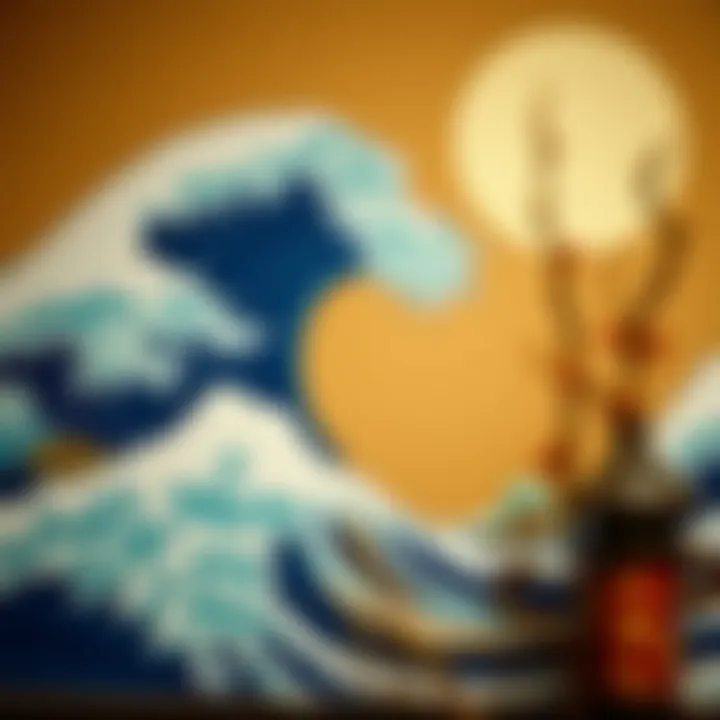
Among the myriad representations of waves in Japanese art, The Great Wave off Kanagawa, created by Katsushika Hokusai in the early 19th century, stands as a monumental case study. This woodblock print has carved its niche not just in art history but in the very fabric of cultural identity, both in Japan and worldwide.
The artwork showcases an immense, towering wave poised to crash down upon small boats, with Mount Fuji nestled tranquilly in the background. The juxtaposition between the fierce wave and the serene mountain encapsulates a balance that is quintessential to Japanese aesthetics. This piece explores the contrasting forces of nature—chaos and calm—that surfers and watersport enthusiasts often grapple with, making it particularly apt for our exploration of the Japanese wave.
Hokusai’s piece is more than just an image; it carries themes of perseverance and respect for nature, central to the philosophy of many watersport practitioners. The two boats navigating the treacherous waters symbolize the spirit of adventure sought by surfers and paddlers. Moreover, Hokusai's artistic technique itself—bold lines and detailed patterns—has inspired a myriad of surfers, artists, and creators in their endeavors, capturing the imagination of those who seek to ride the waves.
Waves in Ukiyo-e and Modern Art
The tradition of Ukiyo-e, a genre of Japanese art that flourished from the 17th to the 19th centuries, is noteworthy for its portrayal of waves as both a subject and metaphor. Artists like Hiroshige and Hokusai dominated this genre, using waves not only to depict the seascape but also to express human emotion and nature's temperament. Each wave serves a purpose, reflecting more than just water but the cultural narratives and hopelessness felt by the populace during the eras of tumult.
In more recent times, contemporary artists have taken up the mantle, reinterpreting the wave imagery to resonate with today’s environmental and social contexts. For instance, the recent push for sustainability in watersports has infiltrated artistic expression, urging artists to highlight the beauty of oceanic waves alongside the vulnerabilities they face due to climate change. This consciousness brings new life to traditional motifs, presenting waves as both a canvas of freedom and a cry for environmental responsibility.
"Every wave tells a story, from the fragile edges to the roaring heart of the sea."
Through these artistic representations, both historical and modern, we gain insights into how waves inspire and shape the watersports community in Japan. The aesthetic allure and profound symbolism create a richness that enchants not only artists but also those who partake in the fluid dance of the ocean.
In summary, the artistic portrayals of waves serve as a crucial lens through which we can appreciate the broader cultural significance of watersports in Japan, bridging the gap between human endeavor and nature's profound beauty.
The Science Behind Waves
Understanding the science behind waves is crucial not only for surfers but also for anyone who participates in watersports along Japan’s picturesque coastlines. Waves are not merely beautiful spectacles; they are fascinating physical phenomena shaped by a myriad of factors including wind patterns, ocean depths, and coastal geography. This section will explore wave formation and behavior, as well as delve deeper into the unique wave dynamics that characterize Japan's diverse coastal waters.
Wave Formation and Behavior
Waves are born from the intricate dance between the wind and the surface of the water. When wind blows across the ocean, it transfers energy to the water, leading to the formation of waves. The primary variables influencing wave formation include:
- Wind Speed: Higher wind speeds generate larger waves.
- Wind Duration: The longer the wind blows, the stronger the waves become.
- Fetch: This term refers to the distance over water that the wind travels in one direction. A longer fetch leads to bigger waves.
Once these waves form, they begin to propagate across the open sea. As waves travel, they carry energy rather than water. This energy is what surfers seek as they ride waves to the shore. Different types of waves, like swell, chop, or breakers, present unique challenges and rewards depending on conditions and experience levels.
"The rhythm of the waves is a fascinating blend of nature's forces, providing thrill and challenge to those who ride them."
Waves can break in different styles, with the more common being:
- Peeling Waves: These waves break slowly and evenly, allowing for longer rides, ideal for surfers.
- Dumping Waves: Usually more powerful but shorter-lived, these waves crash down straight, which can be intimidating for some.
Understanding Wave Dynamics in Japan's Coastal Waters
Japan's coastal configurations add a whole new layer to wave dynamics, proving to be both complex and magnificent. The country is surrounded by numerous islands and peninsulas, which lead to various local effects on wave behavior, creating unique surfing and watersport conditions.
Some noteworthy influences on Japan's coastal waves include:
- Tides: The gravitational pull of the moon and sun affects tidal changes, which in turn influences wave height and formation.
- Bathymetry: The underwater features, such as reefs, can amplify or diminish wave strength, altering the experience for surfers.
- Ocean Currents: The Kuroshio Current, for instance, carries warm water from the Philippines northwards, creating a distinct environment that shapes wave patterns.
Understanding these local dynamics is essential for surfers and paddleboarders navigating Japan’s waters. Knowledge of when and where to catch the ideal wave can make all the difference in the water, turning novice riders into seasoned pros.
In essence, comprehending the science of waves does not only enrich one's appreciation for the natural world but also enhances overall performance and safety in the sport. For surfers aiming to ride Japan’s famous waves, gaining this scientific insight is akin to learning the magic behind each swell and ripple.
The Confluence of Culture and Technique in Watersports

The interplay between culture and technique in Japanese watersports stands as a testament to the distinct identity of the community involved in these activities. Understanding this relationship not only enriches one's appreciation for the sport itself but also illustrates how deeply ingrained cultural factors shape the methodologies and mindsets of those who engage with the waves. The confluence creates a unique tapestry that connects history, artistry, and the very essence of water-based movement within Japan.
Traditional Techniques vs. Modern Practices
In examining the methods of surfing and other watersports, one can observe a fascinating juxtaposition between traditional practices and modern innovations. Traditional techniques, often rooted in generations of wisdom, emphasize sustainability, respect for nature, and a profound connection with the sea. Examples can be found in the traditional art of wave riding, where surfers often use minimal equipment, reflecting a philosophy of harmony with the environment.
- Longboards: On the coast of Kamogawa, surfers still cherish the past by using long, wooden boards, which allow for a smoother and more graceful ride that emphasizes balance and tension with the waves.
- Jellyfish Awareness: Interestingly, traditional techniques also include a deep understanding of local marine life, including behaviors of jellyfish and currents that inform safer practices.
In contrast, modern practices embrace technological advancements and scientific understanding. With the advent of high-performance boards and vast improvements in wetsuit technology, surfers can now tackle bigger waves while also enjoying longer sessions in colder waters. This pragmatic approach does not necessarily overshadow culture; instead, the merging of high-tech with traditional forms can create a powerful synthesis.
- Shortboards: These smaller, more maneuverable boards allow riders to execute tricks that would be unthinkable on a lengthy board, and they are prevalent among younger surfers.
- Real-Time Data: Modern equipment often comes equipped with tracking devices that provide real-time feedback on performance, making individual improvement more systematic.
Despite these advancements, there remains an underlying respect for tradition. Surfers who embrace modern techniques often look back to the rich culture that shaped the watersports landscape, bringing a complex dimension to their activities that honors the past while boldly stepping into the future.
Lifestyle of the Japanese Watersports Community
The lifestyle of Japan’s watersports participants reflects a deep reverence for oceanic culture. This community thrives not just on the thrill of the sport, but also on a collective ethos of mindfulness and environmental stewardship. Many surfers engage in regular beach cleanups, highlighting the importance of maintaining the ecosystem they enjoy. This sense of responsibility fosters a connection that enhances their sport experiences; it becomes a way of life rather than just a pastime.
Social gatherings often revolve around waves, where individuals exchange tips, stories, and strategies for local surfing spots. These interactions further solidify community bonds and foster mentorship opportunities. The youth often look up to seasoned surf veterans, who pass on arcane knowledge intertwined with culture— lessons about the sea that go beyond technical skill, encapsulating the very spirit of respect and honor.
- Community Events: From sunrise yoga sessions on the beach to collaborative art projects displaying ocean-themed works, cultural events provide invaluable touchpoints that engage all age groups.
- Surf Competitions: Regional competitions not only serve as platforms for showcasing talent but also reinforce local pride and a shared identity among surfers.
Through these practices, the Japanese watersports community exemplifies a harmonious balance between the thrill of riding waves and the serenity found in nature's rhythm. In this light, the convergence of culture and technique reveals an intricate dance—one that speaks volumes about life on the water.
In the words of a local surfer, "Riding a wave is not just about the rush; it's about feeling the pulse of the ocean beneath you, connecting with something greater than yourself."
The Japanese wave experience is thus a vivid illustration of how techniques evolve while remaining anchored in cultural understanding, creating a vibrant and robust community that respects both the art of surfing and the natural world.
Emerging Trends in Japanese Watersports
The landscape of watersports in Japan is ever-evolving, shaped by innovation and growing socio-environmental consciousness. As both seasoned practitioners and newcomers ride the waves, it's imperative to recognize the emerging trends that are painting a vibrant picture of this sport. These characteristics not only enhance the experience but also embed deeper meaning into the activities that are integral to Japan's coastal culture.
The Impact of Technology on Watersports
Technological advancements are seeping into every facet of our lives, and watersports are no exception. For example, the incorporation of smart wearables has revolutionized the way surfers and paddlers navigate their environment. With wearables tracking performance metrics like heart rate and wave height, enthusiasts can have a clearer understanding of their limits and capabilities. This immediate feedback allows for quicker adjustments to technique and strategy.
Furthermore, the rise of drone technology is changing how surfers approach ocean conditions. Drones equipped with high-definition cameras can provide real-time visuals of wave formation and tide patterns, enabling surfers to select the best spots to catch a wave. Just imagine observing the coast from above—it's like having an aerial buddy ensuring your surfing journey is worth it.
On a more community-centric note, apps specifically designed for water sports enthusiasts are gaining traction. Platforms like Surfline and Magicseaweed not only make wave forecasting accessible, they build a community of water lovers who share experiences and tips. Such innovations indicate a shift towards a more communal approach in watersports; it's not just about riding the waves, it's about riding them together.
Eco-Friendly Practices in the Surf Culture
As public awareness about climate change becomes increasingly prominent, the Japanese watersports community is leading the charge with eco-friendly practices. Surfers, paddleboarders, and kitesurfers alike are showing that respect for the ocean goes hand-in-hand with enjoying it. From using biodegradable wax for surfboards to organizing beach clean-up events, individuals are actively working to diminish their environmental footprint.
A noteworthy initiative is the use of sustainable surfboards made from recycled materials. Brands like Korduroy are producing boards that are not only lighter and stronger but are also crafted in an environmentally friendly way. Those gear choices echo a philosophy that reverberates within the surf culture: there’s a responsibility to protect the very waters we play in.
In addition, many surf schools in Japan are incorporating ocean conservation into their curriculum. By educating participants about marine ecosystems and the threats they face, these schools are nurturing a generation who is not just skilled in their sport, but also knowledgeable and concerned about the health of the ocean.
"The ocean doesn’t belong to us; we belong to the ocean." This principle resonates deeply in the hearts of those who participate in these sustainable practices.
To summarize, the trends emerging in Japanese watersports reflect a profound interplay of innovation and environmental consciousness. As technology enhances the experience of engaging with the sea, eco-friendly initiatives remind enthusiasts that their passion must also consider the health of the oceans. Riding the wave of the future leads not only to personal growth but also to a deeper relationship with the natural world.
Travel and Destinations
Traveling to Japan offers a unique experience for watersports enthusiasts. It's not just about catching waves; it's about immersing oneself in the cultural tapestry woven into every aspect of this island nation. Each surf spot tells a story, connecting the ocean's rhythm with the traditions steeped in the coastal communities. This section arms the reader with critical insights into where to go and what to expect, ensuring that every trip is not merely a holiday but an unforgettable journey.
Best Surf Spots in Japan
Japan boasts some of the most stunning surf spots globally. Here are a few standout locations:
- Shonan Coast: Located near Yokohama, the Shonan Coast is often referred to as the surfing heart of Japan. The waves here cater to all skill levels, making it a popular spot for both beginners and seasoned surfers. The beaches are lively, with numerous surf shops and cafes where one can mingle with locals.
- Chiba's Onjuku Beach: With its consistent waves, Onjuku Beach serves as a vital training ground. The vibrant surf culture here welcomes various events, catering especially to competitive surfers. The surrounding scenery, framed by picturesque cliffs, is an added bonus.
- Okinawa's Beaches: If you're after a tropical vibe, Okinawa delivers. Its warm waters and vibrant marine life are stunning. Aside from surfing, divers can explore beautiful coral reefs that hug the coast, providing an opportunity to experience life beneath the waves.
- Miyazaki: Down in Kyushu, Miyazaki is less crowded and offers excellent conditions throughout the year. The sunsets here are breathtaking, complemented by friendly locals and a laid-back atmosphere, making it a favorite retreat for many.
These spots are not just places to surf; they are gateways into the culture, where the ocean's power intersects with the life of the community.
Cultural Experiences Along the Coast
As you venture along Japan's coastline, savor the richness of the local cultures that thrive in these surf-centric areas. Cultural experiences enhance any watersport journey:
- Local Festivals: Participating in local festivals provides deeper insights into community values and traditions. Events such as the Nawabari Beach Festival showcase traditional music, food, and surfing competitions, drawing visitors and surfers together.
- Traditional Fishing Techniques: Visiting fishing villages gives surfers a look at ancient fishing methods still in practice today. Engaging with fishermen tells tales of respect for the ocean, an ethos that underpins both surfing and fishing lives here.
- Tea Ceremonies and Local Cuisine: After a long day of riding waves, indulging in a traditional tea ceremony offers a moment of reflection and calm. Local cuisines, such as ramen or sushi, catch the essence of fresh ocean produce, connecting the palate to the surrounding waters.
- Workshops and Lessons: Many surf spots offer workshops not just on surfing but things like traditional pottery or crafting techniques unique to the region. Such experiences allow visitors to leave with more than just surf stories; they gain personal artifacts and memories of their time in Japan.
Traveling to these locations promises an encounter with the local flavor through shared moments, blending the thrill of waves with deep cultural immersion.
"Travel opens the mind; the ocean opens the soul. In Japan, both come together beautifully."
Exploring these destinations enriches the surfing experience, making your adventure not merely about mastering the waves but deeply engaging with the spirit of Japan.
Safety and Environmental Awareness
The world of watersports, particularly in Japan, is as thrilling as it is alluring. However, the lure of the waves comes with its own set of responsibilities. It’s crucial to ensure that safety measures are in place not just for personal preservation, but also to protect the rich environments where these sports unfold. The relationship between a surfer or kitesurfer and the ocean demands respect and caution.
Understanding Ocean Safety
When we dive into the realm of ocean safety, various factors come into play. First off, understanding the ever-changing ocean conditions is essential. Sea conditions can shift like the wind, making it vital for watersport enthusiasts to stay alert and informed. Having knowledge about current tides, weather patterns, and potential hazards like rip currents can ultimately determine one's fate out in the surf.
Always check the local weather reports and surf forecasts. Some popular websites and apps provide timely data regarding wave heights and environmental conditions. Knowing what to expect not only boosts your confidence but also ensures you make the most of your time on the water.
A simple checklist can make all the difference:
- Wear a Personal Flotation Device (PFD): Especially for beginners, a well-fitted PFD can save lives.
- Inform Someone: Always let someone on land know your plans and expected return time.
- Buddy System: Never surf alone. Having a partner means there’s help if something goes wrong.
"Safety doesn't come from the absence of danger, but the presence of preparedness."
These strategies reinforce the idea that while the ocean is a playground, it can quickly turn into a perilous arena without proper foresight.
The Role of Conservation in Watersports
As the relationship between humans and nature grows ever more complex, conservation becomes an indispensable part of the conversation about watersports. Japan is home to numerous breathtaking marine environments, many of which are simultaneously challenged by pollution and climate change. Watersport enthusiasts have a unique role to play in this scenario.
Participating in conservation programs or supporting local clean-up initiatives allows surfers, paddleboarders, and kitesurfers to give back to the ecosystems they cherish. For instance, engaging with community groups that focus on riverbank restoration not only fosters a healthier environment but also strengthens connections within the local surf community.
Some initiatives include:
- Beach Clean-ups: Organize or join local clean-up events where individuals collect trash from beaches and waters to safeguard marine life.
- Educational Workshops: Taking part in or supporting workshops that teach about the importance of marine ecosystems can help spread awareness.
- Sustainable Gear Choices: Choosing eco-friendly equipment and brands committed to minimizing environmental impact reflects an understanding of one’s responsibility as a watersport participant.
It’s a collaborative effort that can lead to a dramatic shift in how we coexist with nature. Adopting these principles not only enhances the experience but also fortifies the preservation of the waters we love to embrace. By taking action today, we contribute to the beauty and accessibility of these landscapes for generations to come.
Closure
The world of Japanese watersports is as intricate and captivating as the waves that define it. Summarizing the insights gleaned in the preceding sections offers a chance to reflect on the untamed beauty of these waters, which serve not just as a playground for enthusiasts, but as a profound cultural element that resonates deeply within Japan's identity.
Reflections on the Japanese Wave Experience
The experience of engaging with the Japanese wave extends beyond the physical act of surfing, paddleboarding, or kitesurfing. Each swell carries whispers of history that connect the past with the present. From the intimate connection between surfers and the ocean to the vibrant communities that flourish around shared passions, waves become a medium of expression. It’s in these moments that one begins to understand the true significance of waves - they are not merely water cresting; they symbolize life, change, and continuous movement.
- Cultural Reflection: The significance of waves in Japanese culture transcends recreational activities. They find their roots in various forms of art, from centuries-old Ukiyo-e woodblock prints to modern street art, illustrating a continuous dialogue between past and present.
- Community and Lifestyle: The unique spirit of camaraderie among Japanese watersport communities highlights a lifestyle centered on respect for nature and fellow enthusiasts. This perspective not only emphasizes environmental awareness but also fosters a sense of belonging.
These layers of meaning contribute to an overall experience that leaves a lasting impression on anyone who finds themselves riding the waves.
Future Directions in Japanese Watersports
Looking ahead, the future of Japanese watersports is rich with potential. Emerging trends indicate a shift towards more eco-conscious practices, leveraging technology to enhance safety and environmental stewardship.
- Technological Advancements: Innovations such as improved surfboards made from sustainable materials and AI-driven weather prediction tools promise to reshape the way enthusiasts interact with waves. Incorporating technology into watersports not only enhances safety but also provides valuable insights into wave behavior, helping surfers make more informed decisions.
- Sustainable Practices: The rise of eco-friendly surfing initiatives is becoming increasingly prevalent. Organizations are promoting cleaner oceans and beach preservation, shifting mindsets towards responsible enjoyment of the ocean’s offerings. Events focused on coastal cleanups and eco-education highlight the proactive role that the surf community can play.
- Inclusivity in Watersports: Another notable direction involves becoming more inclusive. Encouraging participation from various backgrounds can enrich the community and broaden perspectives on wave riding, fostering a more diverse culture around the sport.