
Patagonia Wetsuit Hood: Functionality and Design Insights


Intro
When you’re braving the cold waters of the ocean, every piece of gear matters. The Patagonia wetsuit hood stands out as a key accessory for those who venture into brisk conditions, its significance underscored by functionality and design tailored specifically for aquatic activities. Designed for performance, it doesn’t just keep your head warm; it’s engineered to enhance your entire wetsuit experience.
Think about it. When you’re in chilly waters, losing body heat can happen at an alarming rate. The head, being one of the main areas from which heat escapes, needs adequate protection. That’s where the Patagonia wetsuit hood comes into play, working seamlessly with your wetsuit to lock in warmth and give you the comfort you need to maximize your time in the water.
Throughout this article, we’ll dig into the key aspects of this product—from its materials and design to its application in various watersports. We’ll also hear from those who use it and get an overview of how the hood stacks up against others on the market. Whether you're surfing, paddleboarding, or kitesurfing, understanding the Patagonia wetsuit hood can significantly impact your aquatic endeavours.
Let’s dive deeper into the essentials of just what makes this hood a standout in your watersports arsenal.
Preface to Wetsuit Hoods
Understanding wetsuit hoods is fundamental for those who partake in aquatic activities, especially for disciplines like surfing, diving, and kitesurfing. These hoods play a critical role in thermal protection, ensuring that enthusiasts remain comfortable even in the coldest waters. Often overlooked, they are essential gear components that can impact performance and safety on the water, meaning they deserve our attention and analysis.
Definition and Purpose
When we talk about wetsuit hoods, we refer to protective headgear designed to insulate and shield the head and neck from cold water exposure. These hoods fit snugly over the head, creating a barrier against the elements. This barrier is not only a buffer against lingering cold but also helps retain warmth generated by the body during activity.
The primary purpose of a wetsuit hood isn't merely comfort. It enhances overall watersport experience by enabling prolonged exposure to chilly environments, thereby minimizing the risk of hypothermia. Cold water can lead to numbing effects, which are detrimental not only to enjoyment but also to safety. A good hood, like those produced by Patagonia, will optimize warmth while allowing for freedom of movement, granting users the capability to perform their sport more effectively.
In addition, the design of these hoods often includes features such as intricate seams and adjustable straps, aimed at providing a custom fit. This fit is vital to ensure that the hood stays securely in place, reducing water flush and maintaining thermal efficiency. Thus, it means that while the head is protected, the athlete remains focused on their performance without distractions from their gear.
Whether you're a surfer battling the frigid waves of the Pacific or a kitesurfer cutting through the chill of strong winds, knowledge of wetsuit hoods becomes indispensable. The right combination of design, fit, and material can enhance your time in the water significantly. So as we continue this exploration, key insights surrounding the functionality and design of Patagonia's wetsuit hoods await.
Patagonia as a Brand
Patagonia has carved out a significant niche in the outdoor gear marketplace, becoming synonymous with quality and sustainability. This focus on responsible production is particularly relevant to the discussion surrounding their wetsuit hoods. The brand’s commitment to the environment resonates deeply with watersport enthusiasts who value not only performance but also eco-consciousness in their gear choices. This dual focus sets Patagonia apart in a crowded field filled with competitors who may not prioritize the same ideals.
History and Mission
Founded in 1973, Patagonia was established with a clear mission: to produce the best products while utilizing the most sustainable practices possible. Yvon Chouinard, the creator of the brand, infused it with a philosophy that values both outdoor adventure and social responsibility, reinforcing the idea that businesses can play a role in protecting the environment. This foundational principle is reflected in the company’s innovative strides towards reducing their carbon footprint and supporting environmentally friendly initiatives.
The history of Patagonia is a testament to the evolution of outdoor gear manufacturing. Starting as a small company selling climbing gear, Patagonia grew to address the broader needs of outdoor enthusiasts, thus expanding their product line to include items tailored specifically for water sports.
Patagonia’s mission includes promoting widespread awareness of environmental issues and urging outdoor-loving individuals to engage in advocacy on behalf of nature. Their commitment extends beyond just selling gear—it's about fostering a community that respects and protects the environment.
A few core elements that showcase Patagonia’s mission include:
- Sustainable Materials: The company employs recyclable neoprene in their wetsuits, aiming to lessen reliance on traditional, less eco-friendly materials.
- Activism: Some of Patagonia’s profits go towards environmental organizations, a practice that exemplifies their mission to actively contribute to combating climate change.
- Transparency: They openly share their manufacturing processes and sourcing, something rare in the industry, building trust with their consumers.
"Patagonia is not just a brand; it's a movement towards sustainability and conscious consumerism."
For surfers, kitesurfers, and divers, the choice of brand goes beyond mere aesthetics or performance metrics—it's intertwined with personal values. As consumers become increasingly aware of the implications of their purchases, knowing a brand's ethos can significantly influence buying decisions. Patagonia serves as a model for those looking for gear that mirrors their environmental concerns. Therefore, when one considers the Patagonia wetsuit hood, it isn't just about its features; it's about supporting a brand and a cause that pursues a better future for both avid watersports participants and the planet alike.
Importance of Thermal Protection in Watersports
When engaging in watersports, especially in colder environments, thermal protection isn't just a luxury—it's a necessity. The water can chill to bone-numbing temperatures, and the importance of staying warm cannot be overstated for both safety and performance. For enthusiasts—whether they are surfers slicing through frosty waves, kitesurfers battling wind and salt, or divers exploring underwater worlds—the right gear becomes a second skin, shielding them from the elements while enhancing their experience on the water.
Understanding Cold Water Risks
Cold water can present a myriad of risks, starting with hypothermia, a condition that can set in rapidly, even in water temperatures as warm as 70°F (21°C). When the body loses heat faster than it can generate it, cognitive and physical abilities decline sharply. A wetsuit hood, like the one offered by Patagonia, plays a crucial role in minimizing heat loss. The human head is a major source of heat loss, accounting for a significant percentage of the body’s total heat. Without adequate thermal protection for the head, even a high-quality wetsuit can fall short.
Key Risks:
- Hypothermia: Slowed reflexes and cognitive function without adequate warmth.
- Cold Shock Response: A sudden immersion in cold water can trigger panic and erratic movements, often leading to dangerous situations.
- Increased Fatigue: Continuous exposure to cold can wear you down quicker than you might anticipate.
Thus, utilizing a Patagonia wetsuit hood, which is specifically designed to retain warmth while still being flexible enough for a full range of motion, becomes critical for safety. The design integrates snug yet comfortable fits, ensuring that it stays in place, reducing the risk of water pooling inside and cooling off the body. The materials used in their production are tailored to wick moisture away while also insulating against cold, providing that much-needed barrier.


It's also imperative to consider gear layering. A wetsuit hood paired with appropriate wetsuit designs can amplify thermal protection tremendously. For instance, when the winds pick up or the waves swell, layering becomes integral in preparing for conditions that change rapidly.
"Proper thermal protection is not merely about comfort; it's about survival in watersports."
Investing in quality gear, such as Patagonia's wetsuit hood, provides a solid return on safety, reducing risks associated with hypothermia and other cold water complications. Having suitable headgear allows participants to focus on their passion without the constant fear of the cold.
Closure
In essence, the importance of thermal protection in watersports cannot be brushed aside. With the right equipment, including a Patagonia wetsuit hood, enthusiasts can ensure a warm, safe, and ultimately enjoyable experience on the water. Remember, it's not just about getting in the water—it's about staying safe and making the most of every ride, dive, or paddle.
Features of Patagonia Wetsuit Hoods
When it comes down to tackling cold water conditions, the features of Patagonia wetsuit hoods are fundamental. These hoods not only provide thermal protection but are also equipped with elements designed specifically for performance and comfort. In this section, we’ll dive deeper into materials, design features, and how the correct sizing and fit can transform a wetsuit hood from a mere accessory into an essential part of your aquatic gear. No detail is too small when considering the overall utility of these specialized hoods.
Material Specifications
The materials used in Patagonia wetsuit hoods speak volumes about the brand’s commitment to quality and durability. The hoods are typically constructed from high-grade neoprene, which is well-known for its insulating properties. Neoprene allows for an excellent balance between warmth and flexibility. This is particularly important for water sports enthusiasts who need a hood that’s snug yet doesn’t restrict movement.
- Thickness: Most hoods come in varying thicknesses, generally ranging from 2mm to 5mm. Thicker hoods provide more insulation but can limit flexibility in extreme cases.
- Seam Construction: Patagonia employs flatlock seams which not only make for a comfortable fit but also reduce water entry. Additionally, some models may feature glued and blind-stitched seams for added waterproofing.
- Lining Materials: Often lined with soft, warm materials, the inside of these hoods is designed to wick moisture while also retaining heat. This contributes to a more comfortable experience in frigid waters.
Design Features
Patagonia doesn’t just settle for functionality; the design elements of their wetsuit hoods are carefully crafted to suit various water sports.
- Face Seal: A snug face seal is integral to keep water infiltration at bay. Some hoods are designed with anatomical shapes that perfectly contour to the wearer’s head and neck, significantly reducing gaps that allow the icy water to seep in.
- Visor Brim: Many hoods come with a visor brim feature; this prevents water from running down your face, improving visibility when in the surf.
- Chin Strap: The addition of a chin strap or a toggled adjustment ensures that the hood stays in place, even in turbulent conditions. You don't want your gear flapping in the wind when you're riding the waves.
Sizing and Fit
Nothing can spoil a perfect day out in the water like an ill-fitting hood. Sizing and fit are pivotal for effective thermal protection and overall performance.
- Size Range: Patagonia offers a range of sizes, usually categorized by small, medium, large, and extra-large. It's wise for users to consult the size chart to ensure a snug yet comfortable fit.
- Fit Check: An effective method for checking fit is to ensure that there’s minimal movement of the hood when you shake your head. If the hood shifts significantly, it’s likely too big.
- Adjustability: Some models may include adjusters at the back or sides, allowing for a customized fit which can be particularly beneficial for those with unique head shapes or sizes.
"An ill-fitting wetsuit hood can turn into an irritant when you're focused on your performance in the water, which is why proper sizing can't be overlooked."
Functionality in Different Watersport Contexts
When it comes to aquatic adventures, every piece of gear counts, especially when the temperatures dip. That's where the Patagonia wetsuit hood comes into play. It's not just an accessory but a vital element ensuring that cold water doesn’t take the fun out of your surfing, diving, or kitesurfing experience. Understanding its functionality in various contexts is crucial for users looking to maximize their comfort and performance.
Surfing Applications
For surfers, a wetsuit hood can be a game changer. When you're out catching waves, the last thing you want is your concentration being distracted by the numbing chill of the ocean. The Patagonia wetsuit hood is designed not only to keep your head warm but also to streamline your overall experience in cold waters.
- Wind Resistance: The hood's snug fit minimizes wind interference. No more icy gusts stealing away your upper body heat while you’re waiting for the next set of waves.
- Enhanced Balance & Movement: By preventing water from pooling inside the hood, it keeps your head light, making it easier to balance on your board. Any added weight can throw you off your game, so less is definitely more in this scenario.
- Versatility: Many surfers appreciate the option to wear the hood under or over a wetsuit. This flexibility allows for customization based on personal comfort; if the day warms up, the hood can come off with ease without losing any other hydration gear.
Kitesurfing Applications
Kitesurfers can face unique challenges, especially when you're flying high above the sea spray on a brisk day. Here, the wetsuit hood from Patagonia shines by providing several benefits that cater specifically to this sport.
- Temperature Control: The combination of rapid movement and exposure to cold air can lead to quick chill. The hood traps body heat without feeling bulky, allowing for fluid movement.
- Hydrodynamic Design: While you're cutting through the surf, the sleek design of the hood minimizes drag. Less drag means you can accelerate faster, which can make all the difference when you’re trying to catch that perfect gust.
- Sun Protection: Many kitsurfers forget the sun can still beam down. The hood provides an extra layer of defense against UV rays, shielding the often neglected areas like the back of the neck and ears.
Diving Applications
In the world of diving, where thermal protection is paramount, the Patagonia wetsuit hood stands tall. The underwater environment isn’t just cold but can present other challenges, including pressure changes and exposure to marine life.
- Insulation: The hood assists in maintaining core temperature, even as divers descend to deeper depths where temperatures plummet. A well-insulated head can mean the difference between a short dive and an enjoyable, extended exploration.
- Ease of Use with Equipment: Having a snug fit means there's little to no chance for water to seep in, which is critical when wearing a mask. Any water entering the mask can cause discomfort and hinder visibility.
- Enhanced Safety: The hood also acts as a layer of protection against any unpredictable encounters with marine creatures. While most are harmless, having something between you and the ocean can offer that peace of mind.
User Experience and Feedback


Understanding user experience and feedback is critical in evaluating the Patagonia wetsuit hood. This aspect goes beyond just functionality; it’s about how well the product meets the real-world demands of those who rely on it during frosty water activities. For surfers, paddleboarders, kitesurfers, and instructors, this hood can make or break their ability to stay warm, comfortable, and focused.
When discussing user feedback, several elements come into play:
- Comfort: Users often mention how a wetsuit hood feels during extended wear. An effective hood should allow for snug fitting without constricting movement or causing discomfort. Surveys and reviews often highlight these sensations, revealing candid opinions on the practicalities of daily use.
- Thermal Effectiveness: The primary purpose of any wetsuit hood is thermal protection. Reviews frequently emphasize how well the hood retains warmth and shields against cold water. The experiences shared by users can shed light on its performance under various conditions.
- Ease of Use: How intuitive is it to put on or take off? Does it fit well over other gear, such as a wetsuit or helmet? User insights often reveal the little details that could enhance or detract from the overall experience.
- Durability: Longevity plays a vital role in user satisfaction. Many organziations highlight how well the hood holds up against wear and tear over time. Feedback on this aspect can prevent poor purchasing decisions by shedding light on real-life longevity and resilience.
A comprehensive understanding of user experiences forms a vital foundation for any purchase. It combines qualitative and quantitative elements, making it possible to address concerns effectively while ensuring a high standard of quality in products used during aquatic challenges.
Expert Reviews
Expert reviews offer a layered perspective on the Patagonia wetsuit hood. These professionals often have extensive experience in watersports, leading to informed opinions that can guide potential buyers. Reviews from surf coaches or water safety experts can be particularly insightful.
- Technical Details: Experts get into the nitty-gritty, discussing materials, design intricacies, and thermal properties. A review might emphasize how well the hood handles various water temperatures and conditions, drawing comparisons with other brands.
- Field Testing: Many reviews come from professionals who've tested gear in real-life scenarios. They may evaluate the hood while surfing chilly Pacific waves or competing in kitesurfing events, providing invaluable information on performance metrics likely to affect safety and enjoyment.
- Endorsements: An expert's recommendation can lend credibility, often prompting enthusiasts to prioritize the Patagonia wetsuit hood over other options. Their insights help demystify the buying process, especially for those unfamiliar with the product.
“The hood is exceptionally good for cold conditions, allowing for full maneuverability during intense sessions.”
User Testimonials
User testimonials bridge the gap between expert analysis and the everyday experience of the average consumer. These reviews often reflect a diverse set of interactions and scenarios that offer a slice of life perspective. Here are a few notable points that arise in user testimonials:
- Personal Stories: Many users recount specific experiences where the hood surpassed their expectations, whether that’s staying warm during an unexpected winter surf or offering just the right level of comfort while paddleboarding in brisk coastal winds.
- Advantages and Disadvantages: Real users often share both positive and negative points. Perhaps some found the fit to be uncomfortable or might mention experiencing some water seepage during a dive. These testimonials help paint a fuller picture of the hood’s usability.
- Community Perspectives: Often, testimonials may reflect broader community sentiments, where multiple users share similar inputs about design or functionality, which could lead to collective insights on improving the product.
For many potential buyers, navigating through user testimonials can facilitate an informed decision, ultimately focusing on what real users think and how they align with professional insights.
By combining both expert reviews and user testimonials, a well-rounded understanding of the Patagonia wetsuit hood’s performance can emerge, painting a clearer picture of what to expect when investing in this essential piece of gear.
Comparative Analysis with Other Brands
In the world of watersports gear, especially when talking about wetsuit hoods, it's essential to weigh the options available on the market. A comparative analysis with other brands is not just about contrasting specs; it is about understanding the real-world implications of choosing one product over another. When a surfer, paddler, or kitesurfer heads out into chilly waters, the choice of gear ultimately affects performance, comfort, and even safety. Thus, knowing how Patagonia's wetsuit hood stacks up against its peers can make a crucial difference in a user’s experience.
Material and Design Comparisons
When diving into material and design, Patagonia stands out with its commitment to using environmentally sustainable materials without compromising on performance. For instance, many other brands may rely on standard neoprene, but Patagonia pushes boundaries by integrating plant-based materials into their composition.
- Insulation Capability: Patagonia's hoods often feature a thickness of around 3mm to 5mm, providing excellent insulation in cold waters. Competing brands may use similar thicknesses but often lack the advanced lining technology that enhances heat retention.
- Flexibility: Users frequently note that Patagonia hoods allow for outstanding freedom of movement. This flexibility might not be as prevalent in other brands where users have commented on limited motion due to material stiffness.
- Design Features: While many hoods come with basic design elements, Patagonia incorporates unique features like external drainage holes which prevent water pooling, and an ergonomic fit designed specifically for comfort during extended wear.
Overall, when directly compared, Patagonia’s wetsuit hoods tend to hold their own, if not lead, in terms of innovative materials and thoughtful design tailored for active watersport enthusiasts.
Cost Overview
Price is always a considerable factor, especially for outdoor gear. Patagonia hoods typically land on the higher end of the price spectrum, often around the $100 to $200 range. This price point can initially give pause to potential buyers, but it’s crucial to evaluate this in the context of value and longevity.
- Investment in Durability: Users have consistently found that Patagonia products outperform in terms of durability, often lasting multiple seasons. This contrasts sharply with less-expensive alternatives, which frequently wear out after a single season of use.
- Performance vs. Price: While brands like O'Neill and Rip Curl offer options at a lower price point, they often trade off certain aspects like warmth or comfort, which can lead to more discomfort during long sessions in the water. Thus, the savings may not be as substantial when considering the potential need for replacement gear sooner.
"In watersports, a quality wetsuit hood isn't just about warmth, it’s about confidence in your gear, and that’s where Patagonia often shines."
In summary, a comparative analysis reveals that Patagonia's wetsuit hood offers superior material technology, thoughtful design, and a narrative of sustainability that many competitors lack. While the investment may seem steep initially, the longevity and enhanced experience on the water often justify the cost for serious enthusiasts.
Environmental Considerations
As water sports like surfing and kitesurfing grow in popularity, so does the need to respect and protect the environment where these activities take place. Environmental considerations are crucial when discussing any gear, including the Patagonia wetsuit hood. This part of the article delves into how this particular accessory is not only functional for users but also mindful of its ecological footprint. Understanding these aspects is vital for enthusiasts who are conscious about their impact on the beautiful water bodies they enjoy.
Sustainable Manufacturing Practices
Patagonia stands out among many brands when it comes to sustainability. The company’s commitment to sustainable manufacturing practices plays a pivotal role in ensuring that their products, including wetsuit hoods, are produced with minimal adverse effects on the environment. For instance, Patagonia utilizes materials that are crafted from recycled sources. This includes neoprene made from scrap rubber and other waste products, rather than virgin materials. By doing so, they not only reduce waste but also curtail the carbon emissions associated with material extraction and processing.
Another important aspect is how Patagonia ensures fair labor practices throughout their supply chain. Ethical manufacturing not only improves working conditions but also fosters a sense of responsibility among consumers, offering peace of mind that the gear they wear doesn’t come at a human cost. When surfers or divers choose Patagonia, they’re vouching for responsible practices in the outdoor industry.
Material Innovations
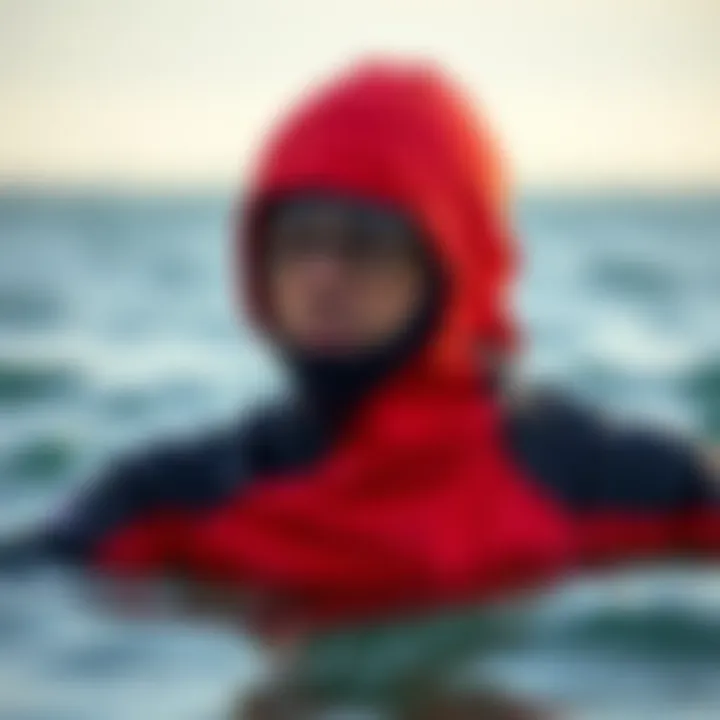
The material innovations presented by Patagonia in their wetsuit hoods are impressive and align closely with their ethos of environmental stewardship. One notable example is their implementation of Yulex, a natural rubber sourced from the hevea tree. This material serves as an alternative to conventional neoprene, providing similar thermal insulation while being significantly less harmful to the environment. Unlike synthetic rubber, Yulex is biodegradable and reduces dependence on fossil fuels.
Furthermore, Patagonia employs water-based adhesives in the construction of their wetsuit hoods, which helps eliminate harmful chemical emissions often released in traditional manufacturing processes. This not only makes the product safer for users but also minimizes pollution that can adversely impact aquatic ecosystems.
In addition to eco-friendly materials, the design and construction process focuses on durability and longevity. By crafting products built to last, Patagonia encourages consumers to buy less and use their gear longer, ultimately contributing to less waste impacting the environment.
Care and Maintenance of Wetsuit Hoods
Caring for a wetsuit hood may not be the first thing on a water enthusiast's mind, but it’s a crucial part of keeping that piece of gear working at its best. Neglecting proper maintenance can lead to compromised functionality, decreased comfort, and a shorter lifespan of your hood. Just like you wouldn’t skimp on maintenance for your surfboard or paddleboard, the same goes for your wetsuit hood. In this section, we'll dive deep into the proper care techniques, exploring why each aspect matters.
Cleaning Guidelines
Keeping your wetsuit hood clean is vital for maintaining both its appearance and functionality. After a session in the water, it can collect sand, salt, and even some grime from the ocean or lake. To ensure longevity, here are some practical approaches to cleaning your Patagonia wetsuit hood:
- Rinse Immediately: Whenever possible, rinse the hood with fresh water right after use. Saltwater can degrade the material over time, leading to premature wear.
- Gentle Soap: After the initial rinse, use a mild soap, preferably designed for wetsuits, to clean any stubborn spots. It's best to avoid harsh detergents that could strip away essential materials and seals.
- Cold Water Only: When washing, always use cold water. Hot water can warp the neoprene and cause it to lose its form and insulation qualities.
- Air Dry: After washing, hang your hood upside down to air dry in a shaded place, as direct sunlight can also damage the material. Avoid using a dryer, as the heat can ruin both the integrity and fit of the hood.
By following these cleaning guidelines, you not only maintain the hood's aesthetic appeal, but also its effectiveness in keeping you warm during those chilly water escapades.
Storage and Durability Tips
Proper storage plays an equally important role in the care of your wetsuit hood. Here are some tips to keep in mind:
- Avoid Folding: Always hang your wetsuit hood rather than folding it. Folding can create creases that may compromise the material over time. Clips or hangers specifically designed for wetsuits can help avoid these issues.
- Cool and Dark Storage: Store the hood in a cool, dark place when not in use. Sunlight and heat can severely impact the integrity of the neoprene material, leading to dry rot and cracking.
- Check for Damage: Every now and then, give your hood a once-over for any signs of wear such as tears or persistent holes. Catching these issues early can save you from more significant problems later on.
- Use a Mesh Bag: If you’re traveling and need to pack your hood, consider using a mesh bag. It lets the hood breathe, avoiding moisture accumulation, which can lead to mildew.
By implementing these storage and durability strategies, you're not just extending the life of your wetsuit hood, but also ensuring that it performs at its peak whenever you hit the water.
"A well-maintained wetsuit hood is like a trusty crew member; it helps you face the vastness of the ocean with confidence."
By prioritizing care and maintenance, you're investing not just in a piece of gear, but in an enhanced aquatic experience, protecting both yourself and your gear from the harsh elements that can make watersports a challenge.
Future Trends in Wetsuit Hood Design
The evolution of wetsuit hoods is not just about keeping warm anymore; it’s about enhancing performance, comfort, and overall user experience in various watersport activities. As technology advances and market demands shift, wetsuit hoods, including the choices offered by Patagonia, must adapt accordingly. Understanding these emerging trends is essential for enthusiasts looking to invest in gear that meets both current and future needs. A well-designed wetsuit hood can make a significant difference whether you’re surfing the chilly northern waves or diving into a frigid abyss.
Technological Innovations
Technological breakthroughs are shaping the future of wetsuit hoods, focusing on enhancing insulation properties, reducing bulk, and increasing flexibility. For example, companies are exploring materials that better trap heat while remaining lightweight and allowing for greater movement. Neoprene continues to be a go-to, but advancements are introducing alternatives that offer similar thermal regulation with even less weight. Imagine a hood that feels almost invisible yet keeps you snug - that’s where the future is headed.
Additionally, integration with smart technology is making waves. Some prototypes might soon feature sensors designed to monitor temperature and provide user feedback. This could revolutionize how we approach temperature management during watersports, practically eliminating the guesswork involved in gear selection. It's all about providing a protective layer tailored to each individual’s specific adventure and water conditions.
Potential Market Developments
As the demand for sustainable and ethical production grows, manufacturers like Patagonia are under pressure to strengthen their environmental commitments. This push for sustainability is expected to drive the development of biodegradable and recycled materials that do not compromise on quality or durability. Consumers are increasingly choosing brands that align with their values, and this trend will likely escalate as awareness around environmental impacts deepens.
Moreover, the rise of recreational activities such as paddleboarding and kitesurfing means that market opportunities are expanding. This evolution leads to greater competition among brands to innovate and offer specialized designs that cater to these different sports. For instance, a hood designed for kitesurfing needs specific features such as enhanced stability to counteract wind factors. As these niche markets continue to develop, we can expect more tailored products that address the unique challenges faced by users across various watersport disciplines.
"Innovation in wetsuit hoods is not just about keeping us warm anymore; it's about enhancing our entire experience on the water."
As new challenges arise in colder water exploration and activities, the future of wetsuit hoods looks promising. Keeping an eye on these trends will ensure watersport enthusiasts are well-equipped to handle the rigors of cold water environments while enjoying their favorite sports.
Culmination
The conclusion plays a vital role in tying together the threads of knowledge presented throughout the article. Examining the Patagonia wetsuit hood, we've seen how crucial it is for enhancing performance in aquatic sports. This accessory doesn’t just keep the cold at bay; it serves multiple purposes that are essential for surfers, paddleboarders, kitesurfers, and instructors alike.
Summary of Key Points
- Thermal Protection: The Patagonia wetsuit hood is primarily designed to protect against hypothermia during cold-water activities. Keeping the head warm can greatly affect overall body temperature, thereby improving comfort and performance.
- Material and Design: With innovative material choices, Patagonia's hoods boast durability and flexibility. The design ensures a snug fit, reducing water ingress and thereby increasing thermal efficiency.
- User Feedback: Many users highlight the comfort and functionality of the Patagonia hood, praising its ability to maintain warmth without sacrificing mobility. These insights are invaluable for those considering this accessory.
- Environmental Commitment: Patagonia’s dedication to sustainable manufacturing practices also distinguishes it in the market. This not only appeals to the eco-conscious athlete but also ensures a product crafted with respect for the environment.
Final Thoughts on Patagonia Wetsuit Hoods
Patagonia’s commitment to quality and the environment reinforces its position in the competitive gear market, ensuring that watersports enthusiasts can navigate both the waves and their conscience with ease. For further insights and discussions on aquatic gear, communities and forums on Reddit offer valuable firsthand experiences and tips.