
Raw Elements Sunblock Review for Watersports Lovers
Intro
Watersports offer thrills like no other activity under the sun, but with excitement comes responsibility. Protecting one’s skin from harsh ultraviolet (UV) rays is essential for everyone, from surfers to paddleboarders. Enter Raw Elements sunblock, a product crafted with watersport enthusiasts in mind. This analysis seeks to explore what sets Raw Elements apart, particularly regarding its ingredients, effectiveness, and environmental consideration, providing a comprehensive guide to those navigating sun protection in aquatic activities.
Understanding the intricacies of skincare while partaking in watersports can feel overwhelming. While some may grab any sunscreen off the shelf and hope for the best, many enthusiasts recognize the need for dedicated research. Selecting the right product like Raw Elements can make a significant difference in long-term skin health and overall enjoyment of water-based activities. As we dive deeper into the topic, we will discuss unique components of Raw Elements, compare it to other options in the market, and share insights from user experiences.
Equipped with this information, you'll be in a better position to make educated choices, ensuring you can enjoy your favorite aquatic pastimes without the lurking fear of sunburn or damage to your skin. Let's navigate these waters together.
Preamble to Raw Elements Sunblock
When it comes to enjoying a day out on the water, protecting your skin is just as crucial as catching the perfect wave. This is where Raw Elements Sunblock enters the scene. It isn’t just another product on the shelf; it’s a game changer designed specifically for watersports enthusiasts. The unique composition and thoughtful formulations make it essential for anyone who spends their days paddleboarding, surfing, or kitesurfing.
Overview of Sun Protection in Watersports
Engaging in watersports carries unique challenges when it comes to sun exposure. The reflection of sunlight bouncing off the water can amplify UV rays, subjecting your skin to higher risks of burns. According to research, ultraviolet radiation can increase more than 50% due to this reflection, making it imperative to use quality sunblock.
Water activities often result in repeated applications of sun protection due to sweat and water wash-off. Hence, not any run-of-the-mill sunscreen will do. High-performance sunblocks that withstand the rigors of aquatic activities are vital.
"Choosing a sunblock for watersports isn’t just about convenience; it’s about safeguarding your skin from cumulative damage that can occur over time."
The Significance of Choosing the Right Sunblock
Now, why does the right sunblock matter? Quite frankly, it can mean the difference between enjoying your aquatic adventure or suffering from painful sunburn. Each skin type reacts differently, and water resistance plays a critical role for those in motion.
With so many options out there, it can certainly feel overwhelming. However, prioritizing natural ingredients ensures not just durability but also minimizes the chemical load on your skin and the environment.
- Chemical blockers often precipitate skin reactions and can corrode marine ecosystems.
- Mineral-based products, like Raw Elements, use ingredients such as zinc oxide, providing a safer alternative for both the user and the ocean.
When considering performance, skin health, and ecological footprint, the choice becomes clearer—the right sunblock isn’t merely an add-on; it’s an essential component of your watersport experience.
Composition of Raw Elements Sunblock
The composition of Raw Elements sunblock is crucial for understanding its effectiveness, especially for those engaging in watersports. As users are often exposed to elements that can strip away protection, knowing what goes into these products will shed light on their potential benefits and drawbacks. This analysis unpacks the active ingredients and the role of natural elements in the formulation, highlighting what sets Raw Elements apart in performance and safety.
Active Ingredients Explained
Active ingredients in sunblock serve as the first line of defense against harmful UV rays. Raw Elements utilizes a combination of mineral-based agents, primarily zinc oxide and titanium dioxide. These ingredients work by reflecting UV radiation away from the skin, creating a physical barrier.
Zinc Oxide is particularly noteworthy. It sits on the skin’s surface and protects against both UVA and UVB rays. This broad-spectrum ability is a big plus for watersports enthusiasts, who require reliable and long-lasting protection during their outdoor activities. Zinc oxide's lack of absorption into the skin also minimizes allergenic reactions, making it suitable for all skin types.
Role of Natural Ingredients
Natural ingredients play a pivotal role in enhancing the effectiveness of Raw Elements sunblock, particularly through their skin-nourishing properties and environmental compatibility.
Zinc Oxide as a Physical Barrier
Zinc oxide, often regarded as the gold standard in sun protection, serves as a potent physical barrier. Its key characteristic is its broad-spectrum protection, meaning it shields against both UVA and UVB rays effectively. This is essential for avid surfers and paddleboarders who spend prolonged hours under the sun.
One unique feature of zinc oxide is its photostability—it does not degrade when exposed to sunlight, providing consistent protection throughout activities on the water. This resilience is beneficial because frequent reapplication is often a hassle when engaged in intense watersports.
However, one downside is that the texture can come off as thick or pasty on the skin, which might not appeal to everyone. Despite this, its performance and safety profile make it a favored choice among health-conscious consumers.
Plant-Based Oils and Extracts
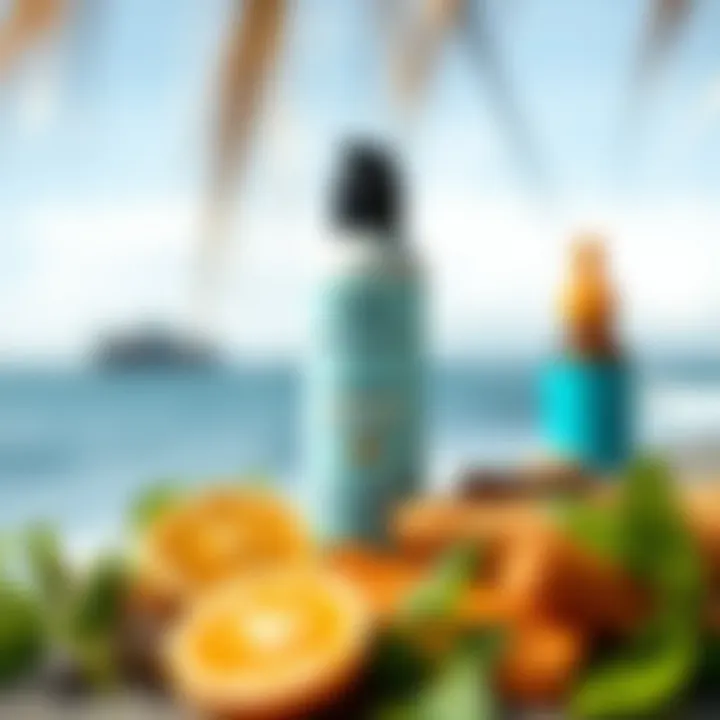
Plant-based oils and extracts add value to the formulation of Raw Elements sunblock. Ingredients such as coconut oil and avocado oil not only moisturize the skin but also offer antioxidant benefits that help combat free radical damage.
A key characteristic of these plant-based ingredients is their ability to enhance skin hydration while providing a soothing effect, which is particularly useful after sun exposure. For users constantly under the sun's glare, this added moisture can be crucial for maintaining skin health and elasticity.
Additionally, these natural oils are biodegradable, aligning with the growing demand for eco-friendly products. However, some consumers may be wary of how these oils function in varying water conditions, questioning their effectiveness in water resistance. The combination of natural oils and zinc oxide, however, creates a balanced formulation that addresses both hydration needs and sun protection adequately.
Environmental Impact of Sunblock
When it comes to sun protection for water sports enthusiasts, there’s a growing concern about how our choices affect the ecosystem. The environmental impact of sunblock covers a range of critical areas, from marine life health to overall ecosystem sustainability. These factors become even more crucial in the world of watersports, where users are often in close contact with our oceans, lakes, and rivers. Avoiding harmful chemicals in sunscreen helps in preserving delicate aquatic ecosystems while also ensuring the safety of the individuals using these products.
This analysis will focus specifically on the significance of biodegradable formulas and reef-safe certifications, both fundamental in minimizing the footprint of our sun protection choices on the environment.
Biodegradable Formulas
Biodegradable sunblock formulas are gaining traction among eco-conscious individuals who seek to enjoy their beloved watersports while safeguarding nature. Unlike traditional sunscreens that can linger in the environment and contribute to pollution, biodegradable options are designed to break down naturally, reducing their long-term footprint.
These formulas typically utilize ingredients that are less harmful to aquatic ecosystems. For instance, biodegradable sunscreens often include plant-based oils or natural emulsifiers that effectively block UV rays and decompose without leaving toxic residues behind. This is a vital aspect to consider, particularly when one thinks about how often people apply and subsequently wash off these products in water bodies.
Moreover, switching to biodegradable options also aligns with the philosophy of many watersports communities, which see themselves as stewards of the natural world. By making a conscious choice for biodegradable sunblock, not only can surfers and paddleboarders enjoy their time in the water, but they can also actively contribute to a healthier aquatic environment.
Reef-Safe Certification
In recent times, "reef-safe" has become a buzzword, but what does it truly mean when it comes to sunblocks? Certifications that label a product as reef-safe indicate that it contains no chemicals harmful to coral reefs and marine life, like oxybenzone and octinoxate. These compounds have been linked to coral bleaching and damage to marine ecosystems.
Opting for a reef-safe sunblock can have a significant impact, particularly in tourist hotspots that host vibrant coral reefs. For example, in the Hawaiian Islands, legislation has been enacted to ban sunscreens with harmful chemicals, reflecting a worldwide move towards safeguarding not just personal health, but also the unparalleled beauty and biodiversity of marine environments.
Purchasing sunblock with a reef-safe certification benefits both the user and the environment. By making well-informed choices, watersport enthusiasts can help protect their favorite destinations while ensuring that they are shielded from sun damage.
It is essential to balance personal skin protection with environmental considerations, as every choice we make carries the potential for impact—positive or negative.
For those who want to further explore these issues, resources such as National Oceanic and Atmospheric Administration (NOAA) and Coral Triangle Initiative are informative avenues.
Comparative Analysis of Sun Protection Products
In the realm of watersports, the right sun protection product can mean the difference between a great day riding the waves and a painful sunburn that ruins your week. Analyzing sunblock products in detail helps enthusiasts make informed choices that align with their lifestyle and environmental values.
Raw Elements vs. Conventional Brands
Chemical vs. Mineral Protection
Chemical and mineral sunblocks serve one goal, but they approach it from different angles. Chemical sunblocks absorb UV radiation through organic compounds like avobenzone and octisalate. These work well, but can sometimes irritate sensitive skin. On the flip side, mineral sunblocks, like Raw Elements, use zinc oxide or titanium dioxide to physically sit on the skin, creating a barrier against harmful rays.
This mineral approach is gaining traction thanks in part to its skin-friendly nature, especially for those frequently exposed to saltwater and sun. The unique feature here is that mineral sunblocks are less likely to cause irritation or allergic reactions—a big win for water enthusiasts with varied skin sensitivities. When immersed in water, they cling to the skin longer than many chemical counterparts, making them a preferable option for prolonged activities.
However, there’s no denying that chemicals can offer a lighter feel when applied, which some may favor on their journeys, yet the potential trade-offs—like skin reactions—should be kept in mind. It’s crucial to weigh both options before making a choice that impacts skin health during adventures.
Performance in Water Sports
Performance is the name of the game in watersports. Whether you’re hopping on a surfboard or grab a paddle board, the effectiveness of your sunblock while in motion is non-negotiable. Raw Elements stands out in this arena; it’s specifically formulated for athletic pursuits.
Key characteristics of this product include its water resistance and durability against the elements. Unlike some conventional brands, which may rinse off or lose potency after a few waves, Raw Elements prides itself on lasting performance. This quality can save you from frequent reapplications mid-session, allowing you to focus on the thrill of the activity rather than constant touch-ups.
Conversely, users of typical brands often report needing to reapply after limited exposure to water, impacting their engagement in the activity. It's a subtle yet significant advantage that drives dedicated watersport participants to consider brands like Raw Elements over conventional options.
Cost vs. Benefits


When it comes down to dollars and sense, weighing cost versus benefits isn't just ideal—it's essential. Sun protection is an investment in your skin's long-term health, especially for those frequently exposed to the sun. Products range widely in price, and the often higher cost of Raw Elements can raise eyebrows. However, many enthusiasts argue that the premium price tag pays off when factoring in skin health, durability, and environmental impact.
The benefits of using a quality sunblock aren't just about preventing sunburn. They also include reducing the risk of skin cancers, premature aging, and other sun-related issues in the long run. In essence, skimping on price can be counterproductive.
Ultimately, it often comes down to finding the right balance between your budget and protection level to ensure a fun time under the sun without the stress of health hazards later.
User Experiences with Raw Elements Sunblock
When it comes to watersports, personal experiences with gear can make all the difference. User experiences with Raw Elements Sunblock are invaluable, not just for potential buyers but also for the makers and advocates of safe sun exposure. This section takes a closer look at how watersport enthusiasts have interacted with this product, focusing on the benefits, key considerations, and the overall sentiment from the community.
Case Studies of Watersports Enthusiasts
Real-life applications tell a richer story than specifications and marketing materials ever could. A surfer named Jayden, who spends long hours paddling out and riding waves, found Raw Elements to be a game changer. He mentioned, "I've tried everything from stick to spray, but this lotion stays put even in rough conditions. The zinc oxide gives me that confidence that I’m not gonna burn while I'm out there."
In another case, Lucy, a paddleboard instructor, shared her thoughts. "The sweat and water resistance are no joke," she noted. "I’ve had days where I dunk in and out, and it holds up better than brands I thought were good. Plus, the way it feels on my skin is a big plus." The consistency and comfort of the product were recurring themes among user reviews, indicating that it addresses not only effectiveness but also usability.
Feedback from the Watersports Community
Feedback from the broader watersports community reveals considerable enthusiasm towards Raw Elements Sunblock. A thread on Reddit highlighted various experiences, with one user stating, "I love that it’s reef safe and doesn’t feel greasy. I can barely tell I have it on until I notice my skin isn't crispy later in the day."
On social media platforms like Facebook, users share tips and tricks on how to apply the sunblock effectively. Many comments emphasize the importance of timing; for instance, some users suggest applying it a full 30 minutes before heading into the water to allow for better absorption. Furthermore, the idea that using a safe product contributes positively not just to personal health but to the greater ecosystem resonates well within the community.
Overall, the experiences and feedback received paint a glowing picture of Raw Elements Sunblock. It is not just a product but a part of the lifestyle for connoisseurs of watersports, promoting responsible sun protection while emphasizing skin health and environmental care.
Application Techniques for Maximum Effectiveness
When it comes to tackling the sun's rays while indulging in watersports, being mindful of how you apply sunblock can make a world of difference. The effectiveness of Raw Elements sunblock hinges not just on its ingredients, but on how well it’s applied to the skin. Correct application ensures optimal protection and can greatly enhance the overall experience on the water.
Prepping Skin for Sunblock
Preparing the skin before slathering on the sunblock might seem trivial, but it sets the stage for how well the sun protection works. First off, the skin should be clean and dry. Washing with a gentle soap removes any sweat and residue, allowing the sunblock to adhere better. After washing, it’s advisable to moisterize dry skin as a hydrating base can help in the even application of the sunblock.
For watersport enthusiasts, it's also vital to check for any abrasions or cuts on the skin since these are more susceptible to irritation when coated with sunblock. Applying a product like Raw Elements SPF 30 can really work wonders. This will not only protect your skin from harmful UVA and UVB rays, but also keep it hydrated throughout your activities.
Key Steps for Prepping Skin:
- Clean the Skin: Use a gentle cleanser to remove oil and dirt.
- Moisturize: Apply a lightweight, non-comedogenic moisturizer if you have dry skin.
- Check for Cuts: Identify any areas that might need extra care.
By prepping the skin, you create a solid foundation for the sunblock, which helps in maximizing its effectiveness.
Timing of Application
Timing can truly be the unsung hero when it comes to sunblock application. Experts generally recommend putting sunblock on at least 15 to 30 minutes before heading out to allow it to fully absorb and start working its magic. Some might think that applying right before hitting the water is good enough, but this can leave areas unprotected during those crucial moments.
Furthermore, for those who plan to spend extended time on the water, reapplication every two hours, or immediately after heavy sweating or swimming, is critical. Raw Elements sunblock, known for its water resistance, still requires those timely touch-ups to ensure ongoing protection.
Best Practices for Timing:
- Initial Application: Apply 15-30 minutes prior to sun exposure.
- Regular Reapplication: Don’t forget to reapply at the two hour mark or after swimming.
Adopting these application techniques will ensure that you’re protected against sun damage while enjoying every moment out on the waves. Remember, skin health shouldn’t be compromised for adventure. Keep these tips in mind, and you'll be well on your way to safe and enjoyable watersport experiences.
Regulatory Standards and Certifications
When it comes to sun protection, especially in the dynamic realm of watersports, navigating the maze of regulatory standards and certifications takes on significant weight. Not only do these guidelines set a precedent for safety and effectiveness, but they also instill a layer of trust between consumers and manufacturers. For watersport enthusiasts, understanding these benchmarks can mean the difference between a fun-filled day on the water and a skin disaster.

Understanding SPF Ratings
SPF, or Sun Protection Factor, is one of the most talked-about terms in skincare, yet many individuals do not fully grasp its implications. SPF ratings help to measure how well a sunblock can protect the skin from UVB rays, the culprits behind sunburn. However, there's more beneath the surface.
- Higher isn’t always better: An SPF of 30 blocks about 97% of UVB rays, while SPF 50 blocks about 98%. The incremental protection offered by higher SPF levels diminishes, and users may feel a false sense of security with extreme numbers, leading to prolonged sun exposure.
- Broad Spectrum Matters: Look for products that offer broad-spectrum protection, which means they guard against both UVB and UVA rays. These types of rays penetrate deeper, contributing to premature skin aging and increasing the risk of skin cancer. For watersport enthusiasts, broad-spectrum formulas provide a more comprehensive shield against sun’s harmful effects.
When considering Raw Elements Sunblock, take a closer look at their SPF ratings in conjunction with their ingredients. This way, you can make a well-informed choice that aligns with your sun protection needs during your aquatic adventures.
Safety Standards for Water-Resistant Products
As any keen paddleboarder or kitesurfer knows, staying sun-safe while splashing through waves isn't just about slapping on some cream. Water-resistant formulations are designed to withstand the effects of water or sweat, but what does this actually entail?
- Defining Water Resistance: The FDA distinguishes between two main categories of water resistance - “water-resistant” for 40 minutes and “very water-resistant” for 80 minutes under water immersion. It's vital for users to recognize these standards when selecting a product, particularly for activities where one constantly gets wet.
- Testing and Certification: Raw Elements adheres to rigorous standards to ensure their sunblock's efficacy. Products undergo regular testing not just for SPF but also for water resistance, which means that customers can rely on claims made by the manufacturer. If you’re gearing up for a long day of surfing, choosing a sunblock with reliable water-resistant credentials makes all the difference.
Future Trends in Sun Protection for Watersports
As the sun shines brightly over the water, the stakes of sun protection rise significantly for those who thrive in watersports. The increasing awareness of skin health and environmental responsibility has transformed the landscape of sun protection. This section will explore significant future trends in sun protection for watersports enthusiasts, addressing not just innovations but also the societal shifts towards sustainability and conscious consumerism.
These trends are not merely fleeting fads; they represent crucial evolutions in how products will be developed, marketed, and perceived by watersport lovers. Watersports participants, such as surfers, paddleboarders, and kitesurfers, are becoming more demanding, seeking sunscreens that align with their active lifestyles while being environmentally considerate.
Innovations in Natural Ingredients
In recent years, the focus on natural ingredients has shifted from mere preference to necessity amongst consumers. More and more, sprouting research suggests that synthetic ingredients may pose risks to both skin and aquatic ecosystems. As a result, brands, including Raw Elements, are actively innovating with their formulas.
These innovations include:
- Zinc oxide as a core ingredient, known for its effectiveness in blocking harmful UV rays while being safe for coral reefs.
- Plant extracts, such as green tea and aloe vera, not only provide soothing properties for irritated skin but also showcase the benefits of antioxidants.
- Natural oils like coconut and jojoba, which hydrate the skin and can reduce the chances of irritation during prolonged water exposure.
These ingredients can range from sustainable sources, ensuring that the impact on the environment is minimal. As consumers continue to demand transparency and efficacy, the shift towards natural has provided an avenue for companies to showcase their commitment to health and sustainability. In the watersport community, the ripple effect of adopting these innovative ingredients is already showing promising results in both performance and wellness.
Emerging Awareness in Sustainability
The conversation around sustainability has grown from whispers to a resounding call for action. More than just a buzzword, sustainability has become a significant concern for watersports enthusiasts. With modern culture leaning towards a greener future, the push toward eco-friendly products is not going unnoticed. Many watersport lovers choose brands that prioritize environmental responsibility.
Sustainability in sun protection manifests in various ways:
- Biodegradable packaging that reduces plastic waste.
- Chemical formulations that do not harm marine life, truly aligning with the principles of being reef-safe.
- Responsible sourcing of ingredients, ensuring they are produced without harming wildlife or habitats.
This emerging awareness highlights the need for actions that resonate with ethical values. As social media showcases tropical paradises and pristine waters, the collective understanding of protecting such environments has surged. The active watersport community, informed and inspired by their surroundings, prefers products that reflect their commitment to sustainability, driving future demand for eco-friendly sun protection solutions.
Thus, as watersports enthusiasts continue to push the boundaries of adventure, they are also champions for change—both for their health and the health of the planet.
"The water is our playground, let’s make sure it stays a beautiful one for generations to come."
Through these trends, Raw Elements and similar brands are not just selling sunblock; they’re advocating for a lifestyle that honors both human skin and ocean health. This development signifies a shift towards combining performance with responsibility in products designed for those who thrive on the water.
Closure: The Role of Raw Elements in Watersport Safety
The role of Raw Elements sunblock in ensuring safety during watersport activities can't be overstated. As water enthusiasts, we face relentless exposure to the sun’s harsh rays, especially while enjoying our passions like surfing, paddleboarding, or kitesurfing. This section summarizes the critical aspects of using Raw Elements products to protect our skin while thriving in aquatic environments.
Balancing Performance and Skin Health
Using sunblock during water activities is not just about preventing sunburn. The right sunblock, like Raw Elements, enhances skin health while ensuring high performance in the water. The mineral-based formula offers immediate protection without the wait time that chemical sunscreens require. This means less downtime and more time riding the waves or gliding across the lakes. Raw Elements uses zinc oxide which acts as a physical barrier against harmful rays. It stays effective even when wet and doesn’t wash away easily, crucial for those engaged in high-energy watersports. It’s a fine dance between getting the SPF you need while keeping your skin nourished and free of harmful chemicals. Raw Elements sunblock makes strides in addressing this very element, ensuring that skin conditioning does not get lost in the pursuit of performance.
Encouraging Responsible Usage
Encouraging responsible usage of sun protection products is vital in fostering a culture of awareness. While Raw Elements is crafted with sustainable, reef-safe ingredients, it’s still important to apply sunblock correctly and in adequate amounts. Over-reliance on sun protection without proper application can lead to false security. To maximize effectiveness, users should apply Raw Elements sunblock generously at least 15 minutes before entering the water and reapply every two hours or immediately after sweating or swimming.
Moreover, understanding and educating others about the environmental impacts of sunblock is key. By choosing products that do not contribute to coral bleaching or ecosystem damage, watersport enthusiasts can enjoy their activities while being responsible stewards of the marine environment. Raw Elements champions this ethos, balancing efficacy in sun protection with respect for nature.
In summary, the importance of Raw Elements in the realm of watersport safety lies not just in its protective capabilities, but in fostering a commitment to both personal health and environmental responsibility. As enthusiasts traverse the waters, they can feel assured knowing they have a reliable ally in Raw Elements that aligns performance with conscientious use.