
Exploring Skimboard Shapes: A Comprehensive Guide
Intro
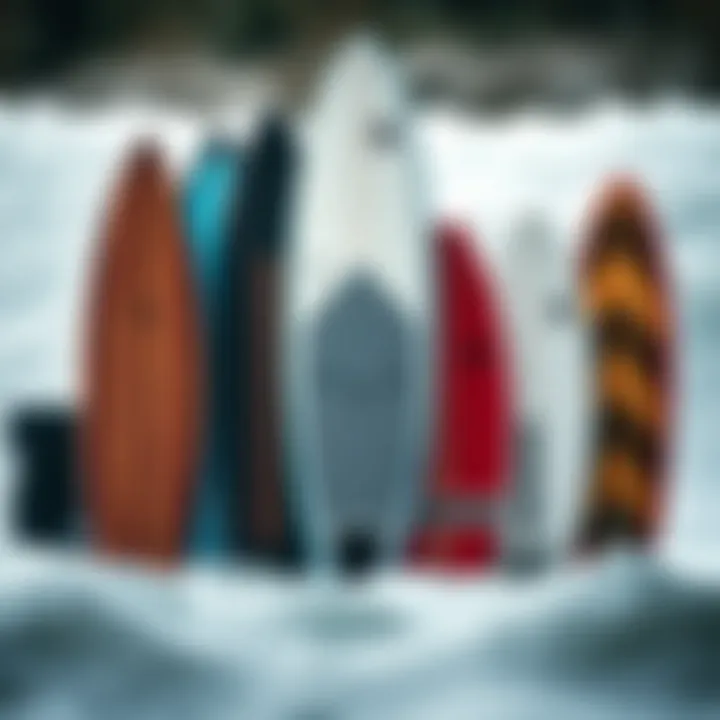
Skimboarding is a thrilling watersport that combines elements of surfing and skateboarding, offering practitioners a unique way to interact with the ocean. As anyone who has spent time on the beach can tell you, the equipment you use directly influences your performance and enjoyment. Among the many factors that play a role in skimboarding, the shape of your board stands out as perhaps the most crucial. This guide will explore the different shapes of skimboards, their designs, and how they affect your riding experience.
Each board shape comes with its own set of characteristics that can enhance or limit your performance depending on the conditions and your skill level. Whether you are a novice just learning the ropes or an experienced rider honing your skills, understanding these variations can help you make informed choices tailored to your preferences. We’ll dive into how shapes interact with water dynamics and the intended riding styles associated with each design, ultimately enhancing both pleasure and performance in the surf.
Gear Essentials
When it comes to skimboarding, having the right gear can make all the difference. Let’s take a closer look at what you need to consider when selecting your skimboard and accessories.
Top Picks for Watersports Equipment
Choosing a skimboard isn’t merely about finding something that looks cool. It’s about matching a board to your specific needs. Here are some standout recommendations:
- Victoria Skimboards Pro Model: Known for their versatility and durability, they’re great for riders aiming for both tricks and smooth rides.
- DB Skimboards: Recognized for their lightweight designs, these boards are excellent for beginners who need an easier grip and control.
- Bingo Skimboards: These boards excel in wave riding; they are crafted to glide over the water with ease, making them perfect for more experienced users.
It’s crucial to test boards in various conditions, as performance can differ significantly based on shape and size.
Maintenance and Care Tips for Gear
Keeping your skimboard in tip-top shape is vital for longevity and performance. Here are a few tips:
- Rinse your board with fresh water after each use to remove salt and sand.
- Avoid leaving the board in direct sunlight for extended periods to prevent warping.
- Check for any cracks or delamination regularly; early detection can prevent bigger issues down the line.
With proper maintenance, you can expect your skimboard to last for several seasons of fun and adventure.
Techniques and Tips
Once you have the right gear, it’s time to focus on skills—both for beginners and advanced riders.
Beginner Tips for Each Watersport
If you’re just starting with skimboarding, consider these basic tips to get your bearings:
- Start on Flat Areas: Begin practicing in shallow water where it’s easier to learn how to balance and control the board.
- Foot Placement: Keep your feet shoulder-width apart. This stance will give you the stability you need when you launch off.
- Practice Your Runs: Start by running towards the water, and as soon as you feel comfortable, jump on your board for a quick ride.
Advanced Techniques for Skill Enhancement
For those already tuning their skills, you may want to explore more complex maneuvers:
- Wave Techniques: Learn to read the waves. Timing your ride on the swell greatly enhances your ability to perform tricks.
- Board Adjustments: Tweaking your foot placement can result in different tricks when landing.
- Spin Tricks: These require practice, but learning to pivot effectively can elevate your riding style.
As you advance, remember that consistent practice and adaptation to challenges will differentiate a good rider from a great one.
In the end, the world of skimboarding is vast and vibrant, and understanding the nuances of board shapes will empower you to select the right equipment and improve your skills in the water. For additional insights and discussions, you can check out forums and articles on platforms like reddit.com/r/skimboarding or facebook.com.
Happy skimboarding!
Understanding Skimboard Shapes
In the world of skimboarding, getting to grips with the nuances of board shapes is essential. The shape of a skimboard significantly influences performance, stability, and maneuverability. A thorough understanding of these shapes allows riders to match their equipment with their personal style and the type of conditions they encounter on the water. From professional competitors to casual beachgoers, everyone can benefit from learning about skimboard shapes.
Definition of Skimboard Shapes
Skimboard shapes refer to the various physical forms that boards can take, dictated by their outlines, thicknesses, profiles, and other design elements. Each shape serves a unique purpose, catering to different styles of skimboarding and environmental conditions. For instance, a board designed for flat-water riding contrasts sharply with one intended for wave riding. Understanding the different shapes gives riders a clearer idea of what to expect in terms of performance and adaptability.
Importance of Shape in Skimboarding
Shape must not be taken lightly, as it can mean the difference between a smooth glide and an awkward wipeout. Here are a few crucial points highlighting the importance of shape in skimboarding:
- Performance: The right shape can enhance glide in various water conditions, allowing for quicker acceleration and smoother rides.
- Control: Some shapes offer better stability for beginners, while others give experienced riders sharper turns and easier spins.
- Versatility: A well-shaped skimboard can adjust to changing conditions, whether riding in flat waters or tackling more challenging waves.
In essence, a skimboarding experience can only be perfected when one understands the specific shapes that align with their riding style. As the saying goes, one size does not fit all. The design choices made in each board, from width to tail shape, can bookend a rider's skill, comfort, and overall enjoyment on the water.
"Choosing the right skimboard shape is like picking the right tools for a job. It makes all the difference in achieving your goals."
Types of Skimboard Shapes
When it comes to skimboarding, the shape of the board is paramount. Understanding different types of skimboard shapes can greatly influence performance, style, and enjoyment on the water. Each shape brings with it its own set of characteristics and benefits that cater to distinct riding styles and preferences. Choosing the appropriate shape can make all the difference, whether you’re cutting through waves or gliding across flatland. In this section, we’ll explore the main types of skimboard shapes, giving you insights that can enhance your riding experience.
Traditional Shapes
Traditional skimboard shapes have stood the test of time, often favored by riders who appreciate classic styles and designs. These boards usually have a wider outline and a more pronounced rocker, making them particularly excellent for wave riding. The design tends to provide a good balance between glide and maneuverability, which can be a crucial factor for both newcomers and seasoned skimboarders alike.
- Stability in waves: These boards are designed to offer greater stability, which is essential when riding in higher currents or crashing waves.
- User-friendly construction: They are often a bit heavier, which can lend to a more grounded feeling on the water, thus making them forgiving for beginners.
Traditional shapes work well for a variety of tricks and can handle common attempts like shuv-its or pillow flips with relative ease.
Hybrid Shapes
Hybrid shapes combine elements from both traditional and high-performance designs, creating a versatile board that suits many different riding styles. This type of board typically features a balance of width and rocker, enabling it to perform well across diverse water conditions.
- Adaptability: Hybrid boards are capable of handling both flatland and small wave conditions, making them an excellent all-round choice.
- Enhanced performance: They tend to be lighter than traditional boards while still offering substantial stability, which allows for aggressive maneuvers and tricks.
This category is ideal for those who may find themselves in varying environments, needing a board that can flexibly adapt to multiple conditions with ease.
High-Performance Shapes
High-performance shapes are engineered for riders looking to push the limits. These boards are characterized by sleek designs, with minimal rocker and narrowed outlines, which lend to excellent speed and agility on the water.
- Speed efficiency: The narrow shape enables faster glide, crucial for tricks that require a quick pop off the lip of a wave.
- Precision: High-performance shapes offer enhanced responsiveness, allowing for sharper turns and greater control during complex tricks.
This type of board demands a certain level of proficiency and is best suited for advanced riders who thrive on technical maneuvers and displaying creativity in their riding style.
Beginner-Friendly Shapes
For those just getting their feet wet—quite literally—beginner-friendly shapes are designed with the novice in mind. These boards prioritize ease of use and stability, setting up newcomers for a smooth learning experience without the steep learning curve associated with high-performance models.
- Wider base: The wider footprint aids in balance, providing a sense of security as a new rider finds their rhythm.
- Soft edges: The rounded edges create a gentler ride, minimizing the chances of wipeouts or falls during initial attempts.
Beginner-friendly shapes empower those who may be apprehensive, allowing them to find their confidence while they learn essential skills without worrying too much about board control.
Sure, style matters, but for a beginner, getting the hang of riding is the real victory.
Choosing the right shape can significantly impact one’s skimboarding journey—understanding the features and advantages of each type will lead to informed decisions that align with personal riding goals and environments.
Design Elements of Skimboards
When one considers skimboarding, it’s easy to overlook the intricate design elements that play a crucial role in how a board performs on the waves or flat sands. Understanding the design elements of skimboards gives you an upper hand in selecting a suitable board. Elements like outline and contour, thickness and volume, tail shapes, and nose shapes are fundamental aspects that can make or break your experience on a skimboard. Each of these design features interacts in unique ways with water dynamics, thus influencing maneuverability, speed, and control. With this in mind, let’s delve deeper into these crucial elements.
Outline and Contour
The outline and contour of a skimboard are key attributes that affect its handling and performance. A board's outline shapes how it slices through the water, which is vital during takeoff and landing.
Key Points:
- Full Outline: Boards with a fuller outline tend to offer better floatation and stability, making them ideal for beginners.
- Narrow Outline: Meanwhile, boards with a more tapered shape reduce resistance, enhancing speed and maneuverability for experienced riders.
As you choose a board, pay attention to the outline; it significantly shapes your riding experience, whether you're attempting tricks or just cruising around.
Thickness and Volume
Thickness determines the volume of the skimboard, which directly relates to buoyancy. A thicker board typically means more flotation, beneficial for riding on soft sand or for those new to the sport. Riders who prefer tricks and stability may aim for boards with less thickness, as they enable quicker response times.
- Thinner Boards: These often allow for easier control, especially when performing aerial tricks.
- Thicker Boards: These provide a more forgiving ride, perfect for beginners still honing their balance and technique.
Tail Shapes
The tail of a skimboard significantly affects its performance. Let's break down some popular tail shapes:
Square Tail
The square tail, a robust choice among many skimboarders, also adds to stability. This design offers a solid base that helps in delivering powerful tail snaps during tricks. The key characteristic of the square tail is its large surface area, which provides better lift and support.
- Advantages: Great for taking off and landing smoothly, particularly for riders who are attempting to execute various maneuvers.
- Disadvantages: While stable, they may sacrifice some speed compared to other tail designs.
Round Tail
The round tail provides a different flavor to skimboarding. One of its primary benefits is smoothness in turning, making it favorable for those who glide over the waves rather than bouncing off them.
- Advantages: It allows for effortless transitions, lending itself well to carving and more fluid, graceful movements.
- Disadvantages: However, during sharper turns, riders may find less push and control compared to boards with square tails.
Swallow Tail
The swallow tail has caught the eye of many skimboarders due to its unique form. It offers a blend of speed and maneuverability, designed specifically for higher performance. This tail type helps with quick transitions and provides substantial grip.
- Advantages: Excellent for those looking to perform tricks and ride at speed.
- Disadvantages: As with any specialized design, it might prove challenging for beginners to master.
Nose Shapes
The shape of the nose also contributes to the overall dynamics of a skimboard. The two main types of nose shapes are Pointed Nose and Blunt Nose.
Pointed Nose
The pointed nose is predominantly aimed at providing precision in cutting through the water. Its design facilitates quicker entries into waves and faster rides overall.
- Advantages: This nose type enhances speed and is favorable for experienced riders looking for nimbleness.
- Disadvantages: However, it can be less forgiving, requiring a competent technique to manage effectively.
Blunt Nose
The blunt nose has a wider surface area, which supports greater stability and easier balance. This makes it a popular choice among beginners.
- Advantages: It offers a relaxing experience, providing ample surface for landing tricks and ensuring stability on takeoffs.
- Disadvantages: Blunt noses might not achieve the same speed as pointed noses, which may limit performance in competitive environments.
In summary, every aspect of a skimboard's design, from its outline and contour to the shape of its tail and nose, plays a role in the rider's experience and capability. Understanding these elements can open doors to personalizing your riding style, allowing you to choose the board that fits your needs best.
Water Interaction and Performance
Understanding how skimboard shapes interact with water is crucial for anyone looking to elevate their riding experience. Water dynamics play a significant role in how a skimboard glides, turns, and performs tricks. As riders skim across the surface, the relationship between the board's shape and the water influences everything from speed to maneuverability. Grasping these concepts can help you make informed choices that enhance your sessions at the beach.
How Shape Affects Glide
When we talk about glide, we refer to how smoothly and efficiently a board moves through water. The shape of a skimboard can dramatically impact its hydrodynamics—this is where things get interesting. A board with a flatter bottom surface will generally glide better on gentle waves and smooth water. This characteristic allows for a stable ride, which is essential for beginners who are just learning to skim.
On the flip side, boards that feature more pronounced rocker (an upward curve in the board's profile) are designed to cut through choppier waters. These boards tend to reduce drag while increasing lift, allowing for a more dynamic ride. This feature is beneficial for advanced riders who want to perform tricks or navigate unpredictable water conditions.
"The right board shape can mean the difference between a smooth ride or a challenging one. Trial and error can help, but understanding the basics is half the battle."
Turning and Maneuverability
Shape intricacies also dictate a board's turning abilities. A skimboard with a wider tail can provide more stability, but it could also sacrifice quickness in turns. For riders who enjoy sharp, quick maneuvers, a narrower tail shape can be beneficial. These designs allow for tighter turns and the capability to perform spins or transitions seamlessly.
Furthermore, where the shape narrows toward the nose contributes to how a skimboard pivots. A pointed nose allows for better edging and slicing into the waves, crucial for advanced tricks. On the other hand, a rounder nose gives a more forgiving edge, ideal for newcomers who might still be mastering their skills. Think about where you plan to skim and which face of the wave you'll be working with; your choice in shape impacts both turning and overall handling.
Impact of Shape on Tricks
In the realm of tricks, shape dramatically influences not just performance, but the potential to learn new maneuvers. Skimboards that feature decks with a concave design can offer better grip and control during landings, reducing the chances of nosediving or losing balance on landings. A concave shape allows your feet to be more secure, ultimately enabling you to land tricks with greater finesse.
Different shapes also play a strategic role in how high or low a rider can pop off the wave. Board width can affect lift; wider boards may yield slower lift but offer better control, while narrower boards might shoot out quickly, giving a higher trajectory but with less stability. Ultimately, understanding these nuances helps riders tailor their boards to fit the tricks they wish to master.
So, whether you're just getting your feet wet or seeking to land that elusive flip, the shape of your skimboard holds the key to unlocking your full potential on the water.
For further insights into skimboarding and to connect with others in the sport, consider visiting communities on platforms like Reddit or Facebook. These resources provide valuable perspectives and shared experiences that can enhance your journey into the world of skimboarding.
Material Considerations
When it comes to skimboarding, the material of your board plays a significant role in performance and enjoyment. Choosing the right material is not just about durability; it also affects how the board interacts with the water, its responsiveness, and your overall riding experience. Each material has its pros and cons, and understanding these can lead to better decisions for your needs.
Wood vs. Epoxy
Wood skimboards traditionally offer a classic feel, often favored by riders who appreciate the craftsmanship that goes into them. They generally provide a good amount of flex, which can translate into a more forgiving ride on the waves. However, wood can be heavier compared to other materials, which might not be ideal for everyone.
On the flip side, epoxy boards are gaining popularity, thanks to their lightweight nature and resilience. These boards can withstand impacts better, making them a solid choice for tricks and maneuvers. Epoxy materials are also less prone to water absorption, which means they maintain their integrity for longer periods. Yet, they might not deliver the same nostalgic experience that wooden boards provide, often creating a stiffer feel.
In summary, the choice between wood and epoxy boils down to personal preference and riding style. Whether you lean towards the traditional allure of wood or the modern efficiency of epoxy, knowing what each material brings to the table is crucial.
Durability and Flexibility
Durability is paramount when you’re out hitting the waves, especially if you’re a frequent rider or someone who loves tricks. In most cases, epoxy boards can take quite the beating, thanks to their robust nature. They typically resist dents and cracks better than wood boards, making them suitable for more aggressive riding styles.
Yet, flexibility cannot be overlooked. Wood boards, with their organic qualities, tend to have a bit more give. This flex can be beneficial in providing more comfort on landings and can enhance the feeling of returning energy when pushing off the sand. However, this flexibility may come at the cost of added durability. You might end up with a beloved board that has seen better days if you’re not careful.
Think about this:
- If you prioritize durability, epoxy may be your best bet.
- If you want a bit more flex and a classic vibe, the wood option might be for you.
Weight Implications
Weight is another crucial element in skimboard construction. While you want something lightweight enough to maneuver easily, too light can sometimes mean sacrificing stability. Here, epoxy boards again shine—they are often designed to be super lightweight, making them easier to handle during tricks and quick turns.
Conversely, wooden boards may weigh more, which can allow for a more grounded feel when riding. However, the added weight might make it less favorable for those who want to perform aerial maneuvers.
Before purchasing, consider these questions:
- What’s your skill level?
- What type of skimboarding are you most interested in?
Before hitting the waves, it’s vital to take a closer look at the weight of your board. Your skills combined with the right weight can make all the difference in your riding experience.
For further insights into these materials and their implications, consider checking out resources from reputable sites like Wikipedia or forums on Reddit. Engaging with the community can offer firsthand experiences that might just sway your decision.
Choosing the Right Skimboard Shape
Selecting the right skimboard shape isn’t just a matter of personal preference; it plays a pivotal role in enhancing your overall riding experience. It can set the stage for how effectively you glide across the water, how sharp your turns can be, and even how well you can execute tricks. With so many options out there, understanding the nuances of each shape allows you to find the perfect match for your riding style and environment.
Identifying Riding Style
Your riding style defines how you interact with the water and the types of tricks you might attempt. For instance:
- Cruising & Relaxed Riding: If leisurely rides are your thing, look for wider boards with greater volume. This allows for stability as you skim across calm waters, enabling a more fluid experience.
- Trick-Oriented Skimboarding: If performing tricks is your primary focus, you should consider a thinner, more agile board. A narrower outline can enhance your ability to pivot and spin, making it easier to execute aerial maneuvers.
To truly identify your riding style, think about your typical skimboarding session. Do you prefer riding up to the shore break, or do you find more joy in gliding along smooth surfaces? Your responses will guide you towards the shape that aligns with your goals.
Assessing Skill Level


Evaluating your skill level is crucial when it comes to choosing a skimboard shape. Beginners often benefit from a board that provides extra stability, while experienced riders might favor boards that offer more responsiveness. Here are a few tips based on skill:
- Beginners: Typically, a wider and thicker board will help maintain balance and provide better floatation. Look for boards specifically labeled for novice riders.
- Intermediate: As you gain confidence, consider transitioning to hybrid shapes. These boards offer a balance of stability and maneuverability.
- Advanced: Experienced skimboarders may want to opt for high-performance shapes that allow for more nuanced control over tricks and speed. These boards are often slimmer and lighter.
Your comfort level with riding will dictate your choices, making it important to reflect on whether you’re just starting or already nailing those tricks consistently.
Environmental Considerations
Last but not least, the environment in which you skim can significantly impact the shape that’s right for you. Different locations present unique challenges and characteristics:
- Flat and Calm Waters: If your main skimboarding spot has consistent, flat waters, a wider board may help with cruising speed and stability.
- Shore Breaks and Waves: For those who enjoy riding at the beach where you have gentle waves, a thinner board may provide the agility needed to navigate tricky surf.
Be sure to assess local conditions before making a purchase. Also, speaking to locals or joining community forums can give you insight into what shapes are performing best in your favorite spots.
"The right skimboard shape is a game changer. It can transform your experience on the water from merely enjoyable to exhilarating!"
In summary, choosing the perfect skimboard shape involves understanding your riding style, assessing your skill level, and considering the local conditions in which you'll ride. This intentionality not only enhances enjoyment but also optimizes performance, ensuring that every skimboarding adventure is that much more fulfilling.
Trends in Skimboard Design
As the world of skimboarding evolves, so too does the design and technology of the boards we use. Skimboard shapes and materials are not just about aesthetics; they play a crucial role in performance, maneuverability, and rider experience. This section will take a closer look at emerging trends that are defining the future of skimboard design, focusing on key elements that cater to both beginner and advanced riders.
Innovative Materials
The choice of materials for skimboards has greatly advanced over the years. Traditional wood boards still hold a nostalgic charm, but today’s skimboarders are turning to innovative materials for improved performance and durability.
- Carbon Fiber: This material is becoming increasingly popular. It's lightweight yet exceptionally strong, allowing for better handling and swift movements across the water's surface. Riders looking for that competitive edge often gravitate towards carbon fiber boards.
- Epoxy Resins: Compared to standard fiberglass, epoxy offers greater buoyancy and resilience against water damage. Boards made from epoxy tend to have a longer lifespan, which is ideal for those who spend a lot of time skimboarding.
- Recycled Materials: As eco-consciousness grows, manufacturers are beginning to explore sustainable options. Boards made from recycled materials may reduce environmental impact, appealing to riders who want to support sustainable practices while enjoying their sport.
"The skimboarding community is shifting towards sustainable materials, recognizing that our choices can make a difference for the planet."
Clearly, by embracing innovative materials, skimboarders not only enhance their riding experience but also contribute to a healthier environment.
Customization Trends
Customization is another critical trend shaping skimboard designs today. Riders are no longer satisfied with one-size-fits-all equipment. Instead, they take pride in crafting a board that reflects their personal style and meets their performance needs.
- Graphic Designs: Many riders now opt for custom graphics and artwork on their boards. This allows for self-expression and can make a statement on the beach.
- Shape Adjustments: Riders can now request specific alterations to the shape of their boards. Whether they want a wider stance for stability or a narrower outline for speed, the options are expanding with technological advancements in manufacturing.
- Personalized Sizes: Custom fitting sizes are gaining traction, as skimboarders realize the importance of having a board that matches their weight and height. This leads to better balance and overall performance.
The evolving capabilities of technology in production empower riders with choices. It's no longer just about how a board looks, but how it performs based on personal preferences. The trend toward customization is enriching the skimboarding community by fostering a sense of individual identity among riders.
Skimboarding Communities and Resources
Understanding the world of skimboarding extends beyond the shapes and designs of the boards themselves; it also encompasses the thriving communities and resources that form the backbone of the sport. These networks are essential for both beginners and seasoned riders, offering a wealth of information, support, and camaraderie. For many, these communities serve not only as a source of knowledge but also as a means of connection with others who share a passion for skimboarding.
Skimboarding, like other board sports, thrives on shared experiences and collective learning. Local clubs, online forums, and events ignite enthusiasm and foster growth. Engaging with these communities can help aspiring skimboarders refine their skills, stay updated on the latest trends, and find inspiration in the stories of fellow enthusiasts. As the sport evolves, remaining connected to the broader skimboarding community might very well be the key to mastering it.
Local Clubs and Associations
Every coast has its hotspots where the skimboarding community gathers. Local clubs and associations play a pivotal role in cultivating interest in the sport. Many cities have established clubs that not only offer resources for those new to skimboarding but also organize training sessions, workshops, and group outings. These can work wonders for beginners looking to test the waters while learning from more experienced riders.
Beyond just the practical lessons, these clubs foster a sense of belonging and camaraderie among members. It’s where stories are exchanged, tricks are shared, and friendships are forged. For example, the San Diego Skimboarding Association hosts regular meet-ups, inviting riders of all skill levels to share their passion and improve their skills together.
Online Forums and Social Media Groups
In the digital age, online forums and social media groups have transformed the landscape of community engagement. Platforms such as Reddit and Facebook serve as hubs for skimboarders seeking advice, sharing experiences, or simply engaging in discussions about the latest gear or techniques. These platforms encourage dialogue that can lead to in-depth discussions about specific board shapes, riding conditions, or the nuances of various tricks.
A thriving community on Reddit has emerged around skimboarding, where members enthusiastically share tips, post instructional videos, and showcase their own capabilities. These online interactions allow riders to connect globally, taking advantage of perspectives from surfers in California to skimboarders in Australia.
"Online spaces have made it possible for every rider, no matter their location, to access a wealth of knowledge and connect with passionate skimboarders everywhere."
Events and Competitions
Events and competitions provide exhilarating opportunities for riders to showcase their skills. From local contests to international championships, these gatherings are more than just competitions; they are celebrations of the skimboarding culture. Events often bring together riders from diverse backgrounds, allowing for a rich exchange of techniques and styles. For instance, the World Skimboarding Championships attract participants from multiple countries, highlighting the global enthusiasm for the sport.
Participation in competitions can be a game-changer for those serious about progressing in their skills. Not only do they provide valuable experience, but they also present a unique chance to learn from observing other riders in action. The camaraderie felt during these events often leads to lifelong friendships, as competitors share not just the thrill of competition but also the love for skimboarding.
Through engaging with local clubs, online forums, and events, skimboarders can significantly enrich their riding experience. Whether a novice trying to catch their balance or an expert seeking to perfect their flips, these resources are indispensable to any skimboarder's journey.
End and Future of Skimboard Shapes
The world of skimboarding continues to evolve, and understanding the trends in designs not only enriches the riding experience but also helps enthusiasts appreciate the craftsmanship involved. As we eye the future of skimboard shapes, several key elements emerge, guiding both manufacturers and riders alike towards a more informed and enjoyable skimboarding journey.
Evolving Designs
The innovation in skimboard shapes is akin to a never-ending dance between form and function. Each season brings forth new ideas, drawing from both technological advancements and riders’ feedback. As skimboarders become more experimental, we see a rise in hybrids that blend various shapes to create boards that cater specifically to different styles and skill levels. For instance, boards with narrower noses but wider tails offer both speed and stability, appealing to diverse riding styles.
Furthermore, custom designs have begun to capitalize on personal preference, allowing riders to have boards that reflect their individuality while enhancing their performance. A hand-painted skimboard can be a canvas that showcases both identity and artistry, thus creating a deeper connection with the sport itself. This intimate relationship between the rider and the board can enhance confidence, leading to improved skill and a more fulfilling riding experience.
Sustainable Practices in Production
As environmental awareness grows, the skimboarding industry is also shifting towards sustainable practices in production. Riders are now seeking boards that not only perform well but are also made from eco-friendly materials. This transition means that manufacturers are experimenting with sustainable alternatives, like bamboo or recycled plastics, aiming to reduce their carbon footprint and foster a culture of responsibility within the community.
The future of skimboarding very much depends on balancing performance with environmental sustainability.
Moreover, local brands are stepping up to create boards that speak to sustainable production while also supporting the local economy. This trend promotes a greater sense of community and encourages riders to choose products that contribute positively to their environment.
In parallel, concerns about the longevity and durability of materials are prompting research into innovative manufacturing techniques. Boards that withstand harsh conditions not only provide a better riding experience but also minimize waste by lasting longer, a practical approach that benefits athletes and nature alike.